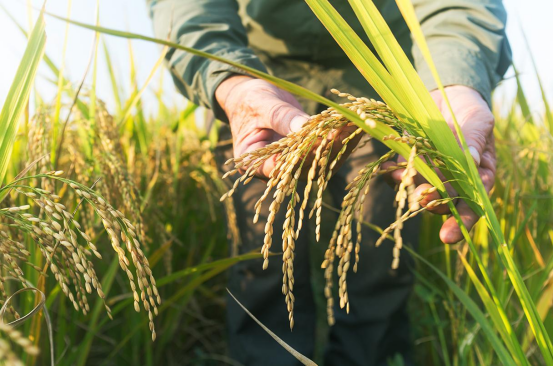
The global food system is currently at a critical crossroads. As the world’s population continues its steady climb toward a projected 10 billion by 2050, the traditional methods of agriculture that have sustained humanity for millennia are being pushed to their absolute limits. We are witnessing a convergence of unprecedented challenges: a rapidly changing climate that disrupts predictable growing seasons, the depletion of arable land, and a growing scarcity of freshwater resources. To ensure a stable and nutritious food supply for the future, a radical transformation is necessary—one that leverages the cutting edge of biotechnology, digital intelligence, and innovative spatial design.
The Impact of Climate Change on Global Food Security
Climate change is no longer a distant threat; it is a present reality that is fundamentally altering the landscape of global food production. The volatility of weather patterns—characterized by prolonged droughts, devastating floods, and unseasonable temperature fluctuations—creates a high-stakes environment for farmers. These shifts do more than just reduce yields; they compromise the very stability of the global food supply chain. When a major “breadbasket” region experiences a crop failure due to an extreme weather event, the ripples are felt worldwide through price spikes and supply shortages.
The Mechanism of Agricultural Disruption
The primary mechanism through which climate change affects agriculture is the disruption of the hydrological cycle. Increased evaporation rates lead to soil moisture depletion, while heavier but less frequent rainfall causes erosion and nutrient leaching. Furthermore, the migration of pests and diseases into new territories, driven by warming temperatures, introduces biological stressors that many traditional crop varieties are ill-equipped to handle. Global food security is thus intrinsically linked to our ability to build resilience into our agricultural systems.
- Temperature Stress: High night-time temperatures can lead to significant yield losses in staple crops like rice and maize by interfering with the pollination process.
- Water Scarcity: Over 70% of global freshwater is used for agriculture; as glaciers melt and aquifers deplete, traditional irrigation becomes unsustainable.
- Soil Degradation: Increased salinity in coastal areas due to rising sea levels renders previously fertile land useless for conventional farming.

Genetic Engineering: Redesigning Crops for a Resilient Future
To combat the biological and environmental threats posed by a changing world, scientists are turning to genetic engineering as a powerful tool for crop improvement. Unlike traditional breeding, which can take decades to produce desirable traits, modern genetic techniques like CRISPR-Cas9 allow for precise edits to a plant’s DNA. This technology is not merely about increasing size; it is about fundamentally “reprogramming” crops to thrive in sub-optimal conditions and provide higher nutritional value to consumers.
Enhancing Resilience and Biofortification
The current frontier of genetic engineering focuses on two major pillars: resilience and nutrition. Scientists are identifying genes responsible for drought tolerance and salt resistance in wild relatives of common crops and “silencing” or “activating” these pathways in commercial varieties. Simultaneously, the concept of biofortification aims to solve “hidden hunger” by increasing the levels of essential vitamins and minerals—such as Vitamin A, iron, and zinc—directly within the staple crops that people consume daily.
| Genetic Trait | Primary Benefit | Target Crops |
|---|---|---|
| Drought Tolerance | Reduces water dependency and survival in arid climates | Maize, Wheat, Soybeans |
| Pest Resistance (Bt) | Reduces the need for chemical pesticides | Cotton, Corn, Eggplant |
| Nutritional Enhancement | Addresses micronutrient deficiencies in populations | Golden Rice, Biofortified Cassava |
| Herbicide Tolerance | Simplifies weed management and reduces tilling | Canola, Sugar Beets |

Precision Water and Fertilizer Technology: Driving Sustainable Efficiency
In the quest for sustainability, the “more is better” approach to agricultural inputs is being replaced by the philosophy of precision. Precision agriculture utilizes a suite of technologies—including GPS, IoT sensors, and satellite imagery—to ensure that every drop of water and every gram of fertilizer is applied with surgical accuracy. This not only maximizes crop health but also minimizes the environmental footprint of farming by preventing nutrient runoff into local waterways.
The Integration of IoT and Data Analytics
Modern precision systems rely on real-time data collected from the field. Soil moisture sensors placed at varying depths provide a granular view of the field’s needs, allowing automated irrigation systems to deliver water only when and where it is required. Similarly, variable-rate technology (VRT) allows fertilizer spreaders to adjust their output based on the specific nutrient profile of the soil in a particular square meter. This data-driven approach transforms the farm from a blunt instrument of production into a highly tuned biological factory.
- Subsurface Drip Irrigation (SDI): Delivers water directly to the root zone, reducing evaporation by up to 30% compared to surface irrigation.
- Nutrient Mapping: Uses spectral analysis to identify nitrogen deficiencies before they are visible to the naked eye.
- Automated Fertigation: Combines fertilization with irrigation to provide a steady, “spoon-fed” supply of nutrients tailored to the plant’s growth stage.

The Rise of Artificial Intelligence: Transforming Agricultural Operations
Artificial Intelligence (AI) is rapidly becoming the “brain” of the modern farm. By processing vast quantities of data from drones, satellites, and on-ground sensors, AI algorithms can predict outbreaks of pests and diseases, optimize harvest schedules, and even manage the logistics of the supply chain. The goal of AI in agriculture is to reduce human error and provide actionable insights that were previously impossible to obtain through manual observation.
Robotics and Autonomous Systems
Beyond data analysis, AI is manifesting in the physical world through robotics. Autonomous tractors can work around the clock with centimeter-level precision, reducing soil compaction and fuel consumption. Robotic weeders use computer vision to distinguish between a crop and a weed, using lasers or targeted micro-sprays to eliminate the unwanted plant without harming the crop or saturating the soil with chemicals. This level of operational intelligence is a lifeline for an industry struggling with labor shortages and rising costs.
AI-driven predictive modeling also plays a crucial role in risk management. By analyzing historical weather patterns alongside current atmospheric data, AI can provide farmers with highly accurate “micro-forecasts.” This allows for proactive measures, such as early harvesting before a predicted storm or adjusting irrigation schedules ahead of a heatwave, thereby safeguarding the season’s investment.

Vertical Farming: Reimagining the Urban Food Landscape
As urbanization continues to pull the population away from rural areas, the concept of Vertical Farming seeks to bring food production directly into the heart of the city. By stacking crops in vertically inclined layers within controlled environments, these facilities can produce significantly higher yields per square foot than traditional outdoor farms. This method, often referred to as Controlled Environment Agriculture (CEA), removes the unpredictability of weather and the constraints of geography.
Hydroponics, Aeroponics, and LED Optimization
Vertical farms typically utilize soil-less growing methods such as hydroponics (roots submerged in nutrient-rich water) or aeroponics (roots misted with nutrients). Because the environment is fully enclosed, every variable—temperature, humidity, CO2 levels, and light spectrum—is meticulously managed. Specialized LED lighting systems provide the exact wavelengths of light required for photosynthesis, allowing plants to grow faster and more consistently year-round, regardless of the season outside.
- Reduced Food Miles: Producing food in urban centers eliminates the need for long-distance transportation, reducing carbon emissions and ensuring maximum freshness.
- Water Recycling: Closed-loop water systems in vertical farms can use up to 95% less water than conventional agriculture by capturing and recycling transpired moisture.
- Zero Pesticides: The controlled, indoor nature of these farms virtually eliminates the threat of pests, making the use of chemical pesticides unnecessary.

Future Outlook: Integrating Technologies for a Lifeline in Agriculture
The future of food does not depend on a single “silver bullet” solution but rather on the seamless integration of all these disparate technologies. A truly resilient food system will see vertical farms supplying fresh produce to cities, while large-scale broadacre farms use AI and precision tools to grow genetically optimized staple crops with minimal environmental impact. This holistic approach is our best hope for maintaining a lifeline for humanity in an era of ecological uncertainty.
The transition to this high-tech agricultural future requires significant investment, policy support, and public acceptance. However, the cost of inaction—widespread food insecurity and environmental collapse—is far higher. By embracing the synergy of biotechnology and digital innovation, we can move from a state of merely “coping” with climate change to actively thriving in a sustainable and food-secure world.
Frequently Asked Questions (FAQ)
- Q1: Is food produced through genetic engineering safe for long-term consumption?
- Yes, extensive research and decades of consumption have shown that genetically engineered crops are as safe as their conventional counterparts. Regulatory bodies like the FDA, EFSA, and WHO conduct rigorous safety assessments focusing on allergenicity, toxicity, and nutritional composition before any GE crop is approved for the market.
- Q2: Can vertical farming replace traditional agriculture entirely?
- Currently, vertical farming is best suited for leafy greens, herbs, and some fruits like strawberries. While it is highly efficient, it is not yet economically or technically feasible to grow calorie-dense staple crops like wheat or rice at the scale required to replace traditional broadacre farming. It serves as a vital supplement, especially for urban food security.
- Q3: How does precision agriculture help the environment?
- Precision agriculture reduces the over-application of chemicals and water. By applying only what is needed, it prevents nitrogen and phosphorus from leaching into groundwater and runoff into rivers, which causes harmful algal blooms. It also reduces the carbon footprint of the farm by optimizing machinery use and reducing waste.
- Q4: Will AI and robotics lead to significant job losses in the agricultural sector?
- While AI and robotics will automate many repetitive and physically demanding tasks, they also create a demand for new, higher-skilled roles in data analysis, drone piloting, and robot maintenance. The goal is to address the chronic labor shortages that currently plague the agricultural industry rather than simply replacing workers.
- Q5: What is the biggest barrier to adopting these technologies globally?
- The primary barriers are high initial capital costs and the need for technological infrastructure (like high-speed internet in rural areas). For smallholder farmers in developing nations, access to credit and technical education are the most significant hurdles to adopting precision and biotech solutions.