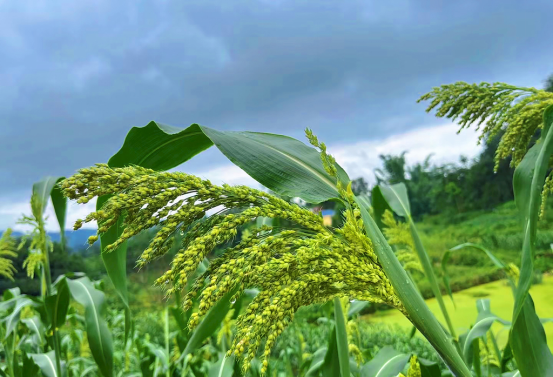
In the complex tapestry of human civilization, few threads are as vital as the crops we cultivate for sustenance. Staple foods—those that are eaten routinely and in such quantities that they constitute a dominant portion of a standard diet—provide the energy and nutrients necessary for survival. As the global population continues to expand toward an estimated 10 billion by 2050, understanding the biological mechanisms, nutritional density, and environmental resilience of these crops is no longer just an agricultural pursuit; it is a prerequisite for global stability.
The Evolution and Foundation of Global Staple Foods
The transition from hunter-gatherer societies to settled agrarian communities was predicated on the domestication of specific grasses and tubers. These plants were selected for their high caloric yield, storability, and adaptability to various climates. Today, the “Big Three”—rice, wheat, and corn—provide more than 50% of the world’s caloric intake. However, the reliance on a narrow genetic base presents risks, leading modern agronomists to revisit ancient and resilient grains like sorghum and barley.
The Biological Imperative of Staple Crops
Staple crops are characterized by their ability to provide concentrated energy, primarily in the form of carbohydrates. Beyond simple calories, these crops have evolved complex defense mechanisms and growth patterns. For instance, C4 plants like corn and sugarcane have developed a more efficient way of capturing carbon dioxide, allowing them to thrive in high-temperature environments where other plants might wither. This biological efficiency is the cornerstone of their high-yield potential.
Historical Context and Domestication
The story of these crops is the story of humanity. Wheat and barley originated in the Fertile Crescent, sparking the rise of Western civilizations. Rice served as the foundation for the dense populations of East and Southeast Asia, while corn (maize) and potatoes fueled the great empires of the Americas. Understanding this history allows us to appreciate the genetic diversity available within these species, which is crucial for breeding varieties that can withstand the erratic weather patterns of the 21st century.

The Global Grains: Rice, Wheat, and Corn
These three crops represent the absolute pinnacle of global food production. Their influence extends beyond the kitchen into global trade, geopolitics, and industrial manufacturing.
Rice: The Cornerstone of Global Nutrition
Rice is the primary staple for over half of the world’s population. It is uniquely adapted to flooded environments, which naturally suppresses weed growth and provides a stable ecosystem for the plant. There are two main subspecies: Indica (long-grain, typical of tropical regions) and Japonica (short-grain, typical of temperate climates). Rice is not just a source of energy; it provides essential minerals and, in its brown form, significant dietary fiber and B vitamins.
Wheat: The King of Staple Foods
Wheat is the most widely traded crop globally and a primary source of protein in human diets. Its unique gluten proteins give dough the elasticity required for bread, pasta, and noodles. Wheat cultivation spans from the frozen plains of Russia to the heat of the Australian outback. The distinction between “hard” wheat (high protein) and “soft” wheat (low protein) dictates its end-use in the culinary world, making it the most versatile of the grains.
Corn: The Industrial All-Rounder
Corn (Maize) is perhaps the most productive cereal crop in terms of yield per acre. While a staple food in many cultures, particularly in Latin America and Africa, a significant portion of global corn production is diverted to livestock feed and industrial uses, including high-fructose corn syrup and ethanol. Its ability to grow in diverse environments, from sea level to high altitudes, makes it a critical component of the global food system.

The Protein and Starch Powerhouses: Soybeans, Potatoes, and Cassava
While grains dominate the landscape, legumes and tubers provide the essential protein and calorie insurance needed for a balanced and secure food supply.
Soybeans: The Superfood of Plants
Soybeans are unique among staples for their high protein content (approximately 40%) and oil content (20%). They contain all nine essential amino acids, making them a “complete” protein source comparable to animal products. Soybeans also play a critical role in soil health through nitrogen fixation, a symbiotic relationship with bacteria that enriches the soil for future crops. This makes them an ideal candidate for crop rotation strategies.
Potatoes: More Than Just Food
The potato is the world’s fourth most important food crop. It produces more food per unit of water than any other major crop and is exceptionally high in Vitamin C, potassium, and Vitamin B6. Historically, the potato has been a “famine-breaker,” providing high-density nutrition in regions where grain crops failed. Modern varieties are being developed to resist late blight, the pathogen responsible for the Great Famine of the 1840s.
Cassava: The Starch Giant of the Tropics
Cassava is a woody shrub with edible roots that serve as a major source of carbohydrates in tropical regions, particularly in Africa and South America. Its greatest strength is its ability to grow in poor soils and under drought conditions where other crops would fail. However, cassava requires careful processing—soaking, fermenting, or drying—to remove naturally occurring cyanogenic glucosides before consumption.

Ancient Grains and Drought-Resistant Specialists
As climate change accelerates, the agricultural community is looking back at “orphan crops” that possess innate resilience to environmental stress.
Sorghum: The Earth’s Tenacity
Sorghum is the fifth most important cereal crop globally and is often called the “camel of crops” due to its incredible drought tolerance. It can suspend growth during dry periods and resume when moisture returns. Sorghum is gluten-free and rich in antioxidants, making it an increasingly popular choice for health-conscious consumers in the West, while remaining a vital staple in the semi-arid tropics of Africa and Asia.
Barley: From Ancient Grain to Modern Soul
Barley was one of the first domesticated grains. While it remains a staple in certain mountainous regions (like Tibet), its primary global use is in the malting process for beer and whiskey production, as well as for animal feed. Barley is high in beta-glucan, a type of soluble fiber that has been shown to lower cholesterol levels, highlighting its potential as a functional food.
Buckwheat: A Nutritional Treasure
Despite its name, buckwheat is not a type of wheat but a pseudocereal. It is gluten-free and contains high levels of rutin, a bioflavonoid that supports cardiovascular health. Buckwheat grows quickly and thrives in acidic, low-fertility soils, making it an excellent “smother crop” for weed control and soil conservation.

Sugarcane and the Future of Energy
Sugarcane occupies a unique position as both a major food source (providing the majority of the world’s sugar) and a leading source of renewable energy. As a C4 perennial grass, it is one of the most efficient converters of solar energy into chemical energy.
- Sugar Production: The juice extracted from the stalks is processed into raw and refined sugars, providing a quick source of energy for the human body.
- Biofuel Potential: Sugarcane ethanol is one of the most environmentally friendly biofuels available, significantly reducing greenhouse gas emissions compared to fossil fuels.
- Byproducts: Bagasse, the fibrous residue left after crushing, is often burned to generate electricity for the processing plants, creating a closed-loop energy system.

Comparative Analysis of Global Staple Crops
To understand the strategic value of these crops, we must compare their nutritional and agricultural characteristics. The following table highlights the diversity of these essential plants.
| Crop | Primary Nutrient | Key Advantage | Major Producer |
|---|---|---|---|
| Rice | Carbohydrates | High caloric density | China, India |
| Wheat | Protein/Carbs | Global trade versatility | China, India, Russia |
| Corn | Carbohydrates | Highest yield per acre | USA, China, Brazil |
| Soybeans | Protein/Fats | Complete amino acid profile | Brazil, USA |
| Potatoes | Carbs/Vitamin C | Water efficiency | China, India |
| Sorghum | Carbs/Fiber | Extreme drought resistance | USA, Nigeria, Sudan |

Frequently Asked Questions (FAQ)
- Q1: Why are staple crops so important for food security?
- Staple crops provide the bulk of the calories and essential nutrients required by the global population. Because they are generally easy to store, transport, and grow in large quantities, they act as a buffer against food shortages and price volatility. Ensuring the stability of staple crop yields is the primary goal of international food security initiatives.
- Q2: What is the difference between a cereal and a pseudocereal?
- Cereals, such as wheat, rice, and corn, are members of the grass family (Poaceae). Pseudocereals, like buckwheat and quinoa, are non-grasses that produce seeds used in a similar way to true cereals. Pseudocereals are typically gluten-free and often have a higher concentration of certain minerals and proteins compared to traditional grains.
- Q3: How does climate change affect the production of these crops?
- Climate change introduces several stressors, including increased temperatures, erratic rainfall, and the spread of pests and diseases. While some crops like sorghum are naturally resilient, others like rice and wheat are more sensitive to heat stress during their flowering stages. Scientists are currently working on developing “climate-smart” varieties that can maintain high yields under these challenging conditions.
- Q4: Are gluten-free staples as nutritious as wheat-based ones?
- Yes, and in many cases, they can be more nutritious. Staples like buckwheat, sorghum, and potatoes offer a different range of micronutrients, including higher levels of antioxidants and specific vitamins. However, wheat remains a primary source of protein for many, so a diverse diet that includes both gluten-containing and gluten-free staples is often the most nutritionally balanced approach.
- Q5: Can sugarcane really be a sustainable energy source?
- Yes. Sugarcane ethanol has a very high energy balance, meaning it produces significantly more energy than is required to grow and process it. When managed sustainably, it can reduce carbon emissions by up to 90% compared to gasoline. Furthermore, the use of sugarcane byproducts for electricity generation enhances its overall sustainability profile.