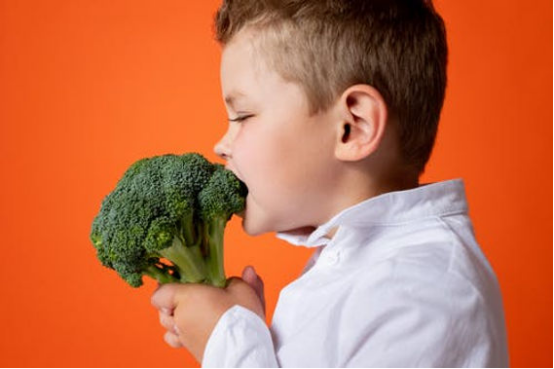
Early childhood represents a critical window for physical and cognitive development, and few activities are as central to this growth as feeding. The transition from a liquid-based diet to a diverse, solid-food menu is not merely a change in nutrition; it is a sophisticated process involving the maturation of the jaw, the refinement of fine motor skills, and the expansion of the sensory palate. This pillar page synthesizes the essential components of early childhood feeding, providing a roadmap for parents to navigate the chewing ladder, encourage self-feeding autonomy, and select the most nutrient-dense foods for their growing children.
The Developmental Ladder of Chewing Ability
Chewing is a learned skill that requires the coordinated effort of the tongue, jaw, and facial muscles. It does not happen overnight but follows a predictable “ladder” of development. Failure to progress through these stages can lead to picky eating or oral-motor delays later in life.
Stage 1: The Sucking and Swallowing Foundation (0-6 Months)
During the first few months, infants rely on the “suck-swallow-breathe” reflex. At this stage, the tongue moves in a simple forward-and-back motion (suckling). As the child approaches six months, the tongue begins to gain more control, allowing for the transition to semi-solids. Iron-fortified cereals or thin purees are often the first step, as they require minimal oral processing while providing essential nutrients.
Stage 2: The Vertical Munching Phase (7-9 Months)
As the child gains trunk stability and begins to sit up, the jaw starts to move in a vertical “munching” pattern. This is the time to introduce thicker purees and soft, mashed foods. The tongue begins to move food from the center of the mouth to the sides, a process known as lateralization. Introducing lumpy textures during this window is crucial; research suggests that children who are not exposed to textures by 9 months may struggle with food acceptance later.
Stage 3: The Rotary Chewing Mastery (10-24 Months)
By the age of one, children begin to develop a rotary chewing motion, where the jaw moves in a circular pattern to grind down tougher textures. This allows for the introduction of soft solids, such as steamed vegetables, tender meats, and pasta. By age two, most children have the oral motor skills to handle the same foods as the rest of the family, provided they are cut into safe, bite-sized pieces.
| Age Range | Chewing Skill | Recommended Food Texture |
|---|---|---|
| 0-6 Months | Sucking/Swallowing Reflex | Liquid (Breast milk/Formula) |
| 6-8 Months | Tongue Elevation/Thin Purees | Smooth Purees, Iron-fortified Cereal |
| 9-12 Months | Vertical Munching/Lateralization | Mashed Foods, Soft Finger Foods |
| 12-24 Months | Rotary Chewing/Grinding | Soft Solids, Family Meals (Cut Small) |

Fostering Independent Eating Skills and Self-Feeding
Independence at the dinner table is a major milestone that boosts a child’s confidence and refines their hand-eye coordination. Moving from being spoon-fed to self-feeding is a journey of exploration that requires patience and a high tolerance for mess from caregivers.
The Role of Fine Motor Development
Self-feeding is inextricably linked to motor development. Initially, infants use a “palmar grasp” to pick up large chunks of food with their whole hand. As they mature, they develop the “pincer grasp,” using the thumb and forefinger to pick up smaller items like peas or small pieces of fruit. Encouraging finger feeding is the first step toward autonomy, as it allows the child to control the pace of the meal and listen to their internal hunger cues.
Transitioning to Utensils
The introduction of spoons and forks typically begins around 10 to 12 months. Early attempts will be clumsy, with the spoon often missing the mouth or being held upside down. Parents should choose ergonomically designed utensils with short, thick handles that are easier for small hands to grip. Modeling behavior is essential; children are more likely to attempt using a spoon if they see their parents and siblings doing the same during family meals.
Creating a Positive Feeding Environment
A child’s ability to eat independently is heavily influenced by the environment. A high chair that provides proper foot support (a footrest) allows the child to focus on their hands and mouth rather than balancing their body. Furthermore, minimizing distractions like tablets or televisions ensures the child remains focused on the sensory experience of eating, which is vital for developing a healthy appetite regulation system.
- Offer Choices: Provide two healthy options to give the child a sense of control.
- Embrace the Mess: Smearing and dropping food is a part of sensory learning.
- Patience is Key: Self-feeding takes longer than spoon-feeding; allow ample time for meals.

Essential Foods to Support Growth and Healthy Eating Habits
While texture and skill are important, the nutritional quality of the food remains the priority. A child’s stomach is small, meaning every bite must be nutrient-dense to support rapid brain development and physical growth.
The Power of Lean Proteins and Iron
Iron is perhaps the most critical nutrient during the first two years of life. It supports brain development and the production of healthy red blood cells. Sources such as lean meats, beans, lentils, and fortified cereals should be staples in a child’s diet. When introducing meats, ensure they are cooked until tender and finely chopped or shredded to accommodate the child’s current chewing level.
Healthy Fats for Brain Development
Approximately 60% of the human brain is composed of fat. Therefore, healthy fats are non-negotiable for toddlers. Avocados, nut butters (spread thinly), and fatty fish like salmon provide essential Omega-3 fatty acids. These “brain foods” support cognitive function and vision development. Full-fat yogurt and cheese also provide the calcium and Vitamin D necessary for bone health.
Colorful Fruits and Vegetables
A diverse array of vegetables and fruits introduces a wide spectrum of vitamins and antioxidants. Focus on “eating the rainbow”—dark leafy greens for Vitamin K, orange carrots and sweet potatoes for Vitamin A, and citrus or berries for Vitamin C. To encourage acceptance, try serving the same vegetable in different forms: steamed, roasted, or mashed.

Integrating Texture, Autonomy, and Nutrition: A Roadmap for Parents
The ultimate goal of early childhood feeding is to integrate these three pillars—chewing, independence, and nutrition—into a cohesive daily routine. This requires a strategic approach to meal planning and a deep understanding of safety protocols.
Choking Hazards and Safety Protocols
As children experiment with new textures and self-feeding, safety is paramount. Certain foods should be modified or avoided until the child has mastered rotary chewing (usually around age 3 or 4). Grapes and cherry tomatoes should be cut lengthwise into quarters. Hard candies, popcorn, and whole nuts should be strictly avoided. Always supervise a child during mealtime and ensure they are sitting upright.
Addressing Picky Eating Through Exposure
It is normal for toddlers to go through a phase of “neophobia” or fear of new foods. Persistence is the solution. It can take 10 to 15 exposures for a child to accept a new food. Avoid the urge to pressure or bribe the child, as this can create negative associations. Instead, continue to offer the food alongside “safe” familiar items, and maintain a neutral, encouraging attitude.
The Importance of Hydration
As solid food intake increases, so does the need for proper hydration. Water should be the primary beverage offered between meals. While small amounts of 100% fruit juice are acceptable, they should be limited to avoid excessive sugar intake and to prevent the child from filling up on liquids instead of nutrient-dense solids. Introducing an open cup or a straw cup early on helps develop different oral motor muscles than a sippy cup or bottle.
Frequently Asked Questions (FAQ)
- Q1: When should I start moving from purees to more textured foods?
- Most infants are ready for thicker, mashed textures between 7 and 9 months. It is important not to stay on smooth purees for too long, as the window for accepting new textures is most open during this period. Start by adding soft lumps to their favorite purees and gradually increase the consistency.
- Q2: My child refuses to use a spoon and only wants to eat with their hands. Is this okay?
- Absolutely. Finger feeding is a vital developmental stage that builds hand-eye coordination and sensory awareness. While you should continue to offer a spoon for practice, allowing them to use their hands ensures they are getting the nutrition they need while exploring food textures directly.
- Q3: What are the best first finger foods for a baby with no teeth?
- Babies don’t need teeth to “chew” soft foods; they use their gums to mash. Excellent first finger foods include ripe avocado slices, steamed carrot sticks (soft enough to smash between your fingers), banana pieces, and well-cooked pasta. These provide safety while encouraging the munching reflex.
- Q4: How can I tell if my child is actually full or just being picky?
- Look for satiety cues rather than focusing on the amount of food left on the plate. A full child will turn their head away, push the plate away, close their mouth tightly, or start playing with the food rather than eating it. Trusting these cues helps prevent overeating and respects the child’s autonomy.
- Q5: Should I be worried if my child gags while trying new textures?
- Gagging is a normal, protective reflex as a child learns to navigate solids. It is different from choking. Gagging involves coughing or making a retching sound as the tongue pushes food forward. As long as the child is making noise and managing the food, stay calm and let them work through it. Choking is silent and requires immediate intervention.