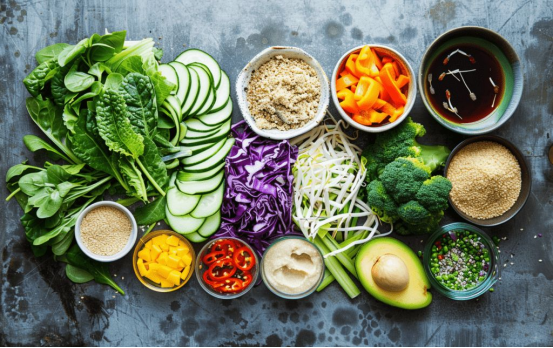
Going vegetarian is both simple and challenging. After giving up meat, you’ll find yourself suddenly relegated to a nutrition lesson: Is my protein adequate? Where can I find calcium? Where can I find B12? These questions constantly pop up. Rather than being overwhelmed by a flood of fragmented information, it’s better to focus on a few key players.
The biggest challenge of being a vegetarian
Don’t think you can just eat more vegetables. There are some nutrients in a vegetarian diet that require special attention:
Protein : The building blocks of the human body, without which everything cannot be functioning properly.
Iron (non-heme iron) : The absorption rate is not high, so vitamin C is needed to help.
Calcium : Essential for bones, but the absorption rate from plants is always a bit unstable.
Zinc : A small amount is important, and it is found in large quantities in whole grains and beans.
Vitamin B12 : Honestly, you can basically only get it through fortified foods or supplements.
Omega-3 fatty acids (ALA) : The conversion efficiency is low, but it is better than nothing.
These are the “test points” that vegetarians cannot avoid.
10 Super Nutritious Ingredients You Should Keep on Your Table
Lentils
are inexpensive, easy to cook, and filling. One cup of cooked lentils provides 18g of protein and 6.6mg of iron. Add them to soups, curries, and other dishes for a nutritional boost.
chickpea
salad and the soul of hummus, it’s packed with protein, fiber, manganese, and folate—a true all-rounder.
Tofu and
fermented black beans are a classic combination. Tofu provides calcium, while fermented black beans are easier to digest and contain vitamin K. Simply put, it’s a protein powerhouse for vegetarians.
Chia seeds/flax seeds
are tiny seeds that are a powerhouse of omega-3s. Flax seeds are best ground, otherwise they’re useless. Chia seeds resemble jelly when soaked in water, making them a great addition to puddings.
Nutritional yeast is
a yellow, flaky seasoning that tastes a bit like cheese. Many vegetarians rely on it to supplement their B12 intake. Sprinkle it on popcorn or pasta for an instant flavor boost.
Quinoa
is a legendary “complete protein” grain. It contains all the essential amino acids, plus magnesium, phosphorus, and fiber. Try it instead of rice.
kale
as a leafy green; it’s packed with calcium and iron. Pair it with a vitamin C source, like lemon juice, to double your absorption rate.
Almonds and
walnuts are little energy bombs. Walnuts give you omega-3s, while almonds contribute vitamin E and calcium. A handful a day is a surefire way to boost your energy.
Fortified plant milks
are commonly found in supermarkets, such as soy milk, oat milk, and almond milk. Many brands add extra calcium and vitamin D. Check the label when buying to avoid buying the “empty version”.
Spirulina,
a blue-green algae powder, may look a bit strange, but it’s incredibly high in protein (up to 60%). Stir it into juice or smoothies for a nutritional boost.
Tips and clarification of misunderstandings
“Vegetarian diets lack protein”: This is a complete misunderstanding. Beans and grains (such as rice and lentils) provide amino acid complementarity.
“I can’t absorb plant iron”: Actually, there is a way. Adding some vitamin C, such as orange juice with spinach, will be much more effective.
How to place the plate correctly?
Variety: The plates should be colorful, not just all green.
Golden combination: Iron + Vitamin C, only effective when taken together.
B12: Don’t hesitate, take supplements when necessary and consult a doctor for a safe plan.
Final Thoughts
Vegetarianism isn’t about who’s more “pure,” but rather about finding the right nutritional balance within a limited selection. The ingredients above are like a starting lineup; with the right combination, they’re enough to keep your body running smoothly. As for variety? Go wild! Food shouldn’t just be about statistics; it should also be fun.