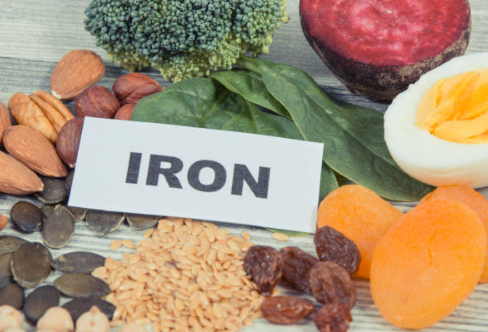
As vegetarians or those who choose a plant-based diet, while enjoying delicious and healthy plant-based foods, we should also pay special attention to some key nutrients, especially iron and vitamin B12. These two nutrients are crucial for our health, and their deficiency may lead to some health problems. Today, let’s talk about how to supplement these nutrients with plant-based ingredients.
Why are iron and vitamin B12 so important?
Iron is an essential mineral for our body, which helps transport oxygen to various parts of the body. Iron deficiency can lead to anemia, symptoms such as fatigue, weakness, and pale skin. Vitamin B12 is crucial for maintaining neurological health, as it helps with the production of red blood cells. Lack of B12 may lead to neurological damage, memory loss, anemia, and other issues.
Iron in plant-based ingredients
The main form of iron in plant-based foods is non heme iron, which has a lower absorption efficiency compared to iron in animal based foods (heme iron). However, a reasonable combination of food and some tips can help us better absorb these plant-based iron.
A good source of plant-based iron:
Beans: such as beans, black beans, chickpeas, red beans, etc., all contain abundant non heme iron. Especially suitable for adding to salads, soups, stews, or making tofu.
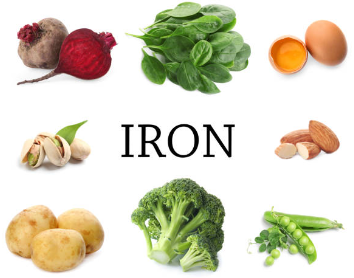
Green leafy vegetables: deep green vegetables such as spinach, kale, Swiss beets, etc. are rich in iron. Pairing them with other ingredients and adding them to salads, juices, or stir fry dishes are all good choices.
Nuts and seeds: such as pumpkin seeds, sesame seeds, almonds, etc., are also good sources of iron. You can sprinkle them on salads, yogurt, or make them into healthy snacks.
Whole grains, such as brown rice, oats, quinoa, and whole wheat bread, are all good sources of iron. They not only contain iron, but also fiber, which helps maintain digestive health.
Dried fruits: such as dried apricots, raisins, dried plums, etc., which contain high levels of iron. Suitable as a snack or added to breakfast cereals.
How to improve iron absorption?
Pairing with foods rich in vitamin C: Vitamin C can significantly increase iron absorption. For example, iron rich spinach can be paired with citrus fruits, tomatoes, or bell peppers for consumption.
Avoid consuming certain foods together: Coffee, tea, and some high calcium foods may inhibit iron absorption, so it is best to avoid drinking these drinks together with iron containing foods.
Vitamin B12 in plant-based ingredients
Vitamin B12 is mainly found in animal based foods, while plant-based foods naturally do not contain B12. Therefore, vegetarians and plant-based eaters must pay special attention to B12 supplementation. Fortunately, there are some plant-based B12 supplementation options available on the market.
Plant derived B12 source:
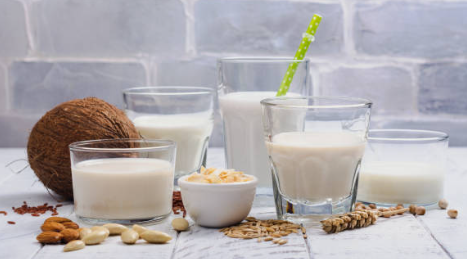
Fortified plant-based foods: Many plant-based foods, such as plant-based milk (almond milk, soy milk, etc.), breakfast cereals, nutritional yeast, etc., are usually fortified with B12. These are the most common sources of B12 for plant-based eaters.
Nutritional yeast: Nutritional yeast is not only rich in vitamin B12, but also contains abundant protein and fiber. You can sprinkle it on popcorn, soup, salad, or add it to the cooking process to add deliciousness to food.
Plant based supplements: For most vegetarians, supplementing B12 solely with fortified foods may not be sufficient, so supplementing B12 appropriately is a good choice. There are many B12 supplements on the market for vegetarians, usually in the form of tablets, spray or liquids.
How to ensure sufficient intake of B12?
As B12 mainly comes from animal sources, it is recommended that vegetarians regularly monitor their B12 levels and supplement them with supplements if necessary. Many experts recommend that vegetarians undergo monthly B12 blood tests to ensure that their vitamin B12 levels are within a healthy range.
By making reasonable food combinations and paying attention to food choices, vegetarians can effectively supplement iron and vitamin B12 with plant-based ingredients. Remember to consume iron rich foods in moderation along with vitamin C in your daily diet. Additionally, it is important to ensure sufficient intake of B12 through fortified foods or supplements.