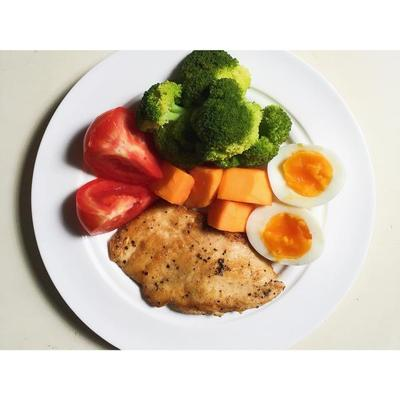
After pushing your limits in a challenging workout, your body enters a crucial recovery phase. What you choose to eat (or not eat) during this period significantly impacts muscle repair, energy replenishment, and overall performance in your next session. This ultimate guide delves into the science of post-workout nutrition, separating fact from fiction and providing actionable strategies to optimize your recovery and fuel your fitness journey. We’ll explore the essential macronutrients, debunk common myths about meal timing, and offer practical meal ideas to help you make the most of your post-exercise window.
The Science Behind Post-Workout Recovery
Understanding the physiological processes that occur during and after exercise is fundamental to appreciating the importance of post-workout nutrition. When you engage in physical activity, especially intense or prolonged sessions, your body undergoes several changes that necessitate proper nutritional support for recovery and adaptation. The primary goals of post-workout nutrition are to replenish depleted energy stores and repair muscle tissue damaged during exercise.
Understanding Glycogen Replenishment
During exercise, your body primarily relies on glycogen, a stored form of glucose found in your muscles and liver, for energy. The harder and longer you train, the more glycogen you deplete. After a workout, these glycogen stores are significantly diminished, and replenishing them is critical for restoring energy levels and preparing your muscles for future activity. Consuming carbohydrates post-exercise kickstarts this replenishment process, ensuring your energy reserves are topped up.
Muscle Protein Synthesis (MPS) and Repair
Intense exercise, particularly resistance training, causes microscopic tears in muscle fibers. This is a normal and necessary part of the muscle-building process. To repair these micro-tears and adapt to become stronger, your body initiates muscle protein synthesis (MPS). Supplying your body with adequate protein after a workout provides the essential amino acids needed to facilitate MPS, repair damaged tissues, and promote muscle growth. Without sufficient protein, recovery can be hindered, potentially leading to muscle soreness and impaired performance.

Key Macronutrients for Optimal Post-Workout Fueling
While a balanced diet is always important, the focus on specific macronutrients – protein and carbohydrates – becomes particularly pronounced in the post-exercise period. Each plays a distinct yet complementary role in optimizing recovery, muscle repair, and energy restoration. Healthy fats also have a supporting role, contributing to overall health and inflammation modulation.
Protein: The Building Block of Muscle
Protein is paramount for muscle recovery and growth. It provides the amino acids necessary for muscle protein synthesis (MPS), which repairs muscle damage and builds new muscle tissue. Aim for 20-40 grams of high-quality protein post-workout. Excellent sources include lean meats (chicken, beef), fish (salmon, tuna), eggs, dairy products (Greek yogurt, cottage cheese), and plant-based options like tofu, tempeh, and protein powders (whey, casein, soy, pea).
Pro Tips: For rapid absorption, whey protein is an excellent choice immediately after a workout. However, a combination of fast and slow-digesting proteins (like whey and casein) or whole food sources can provide a sustained release of amino acids. Distribute your protein intake throughout the day, not just post-workout, to maximize MPS.
Carbohydrates: Replenishing Energy Stores
Carbohydrates are crucial for replenishing depleted glycogen stores, which are your muscles’ primary fuel source. After a strenuous workout, consuming carbohydrates helps restore these energy reserves, preventing fatigue and preparing your body for your next training session. The amount needed varies based on the intensity and duration of your workout, but a general guideline is 40-80 grams. Focus on easily digestible carbohydrates like fruits (bananas, berries), white rice, potatoes, oats, or whole-grain bread.
Common Pitfalls: Many individuals focus solely on protein after a workout and neglect carbohydrates. This can lead to suboptimal glycogen replenishment, prolonged fatigue, and potentially hinder muscle recovery. Ensure a balanced intake of both. Avoiding carbs entirely post-workout, especially after intense or long sessions, can impair recovery and future performance.
Fats: A Supporting Role in Recovery
While protein and carbohydrates take center stage immediately post-workout, healthy fats play a supporting role in overall health and inflammation management. However, excessive fat intake immediately after exercise can slow down the digestion and absorption of proteins and carbohydrates, which might not be ideal when rapid nutrient delivery is desired. Include healthy fats in your broader post-workout meal planning, but perhaps not as the primary component of your immediate recovery snack. Sources include avocados, nuts, seeds, and olive oil.

Debunking the Anabolic Window Myth and Meal Timing
For years, the concept of a strict “anabolic window” – a 30 to 60-minute period immediately after a workout during which you absolutely *must* consume nutrients to maximize gains – dominated sports nutrition advice. While there’s a kernel of truth to the idea that nutrient timing matters, modern research has provided a more nuanced understanding, suggesting that the window is much wider than previously thought.
The Reality of the Post-Workout Window
The idea of a narrow “anabolic window” has largely been debunked for most individuals. For those who train in a fed state (i.e., have eaten a meal containing protein and carbs a few hours before their workout), the “window” for optimal nutrient timing extends for several hours post-exercise. This is because the amino acids and glucose from your pre-workout meal are still circulating and available to your muscles. While consuming nutrients within 1-2 hours after exercise is still beneficial, especially for very intense sessions or if you trained fasted, the pressure to consume a shake immediately upon finishing is often unnecessary.
Pre-Workout Nutrition’s Impact on Recovery
The importance of pre-workout nutrition cannot be overstated in the context of post-workout recovery. Consuming a balanced meal rich in carbohydrates and protein 2-3 hours before your workout can significantly prime your body for exercise, minimize muscle protein breakdown during training, and extend your post-workout “anabolic window.” This strategy provides a steady supply of nutrients, making your post-workout timing less critical.
Expert Advice: Focus on your total daily intake of protein and carbohydrates more than the exact minute you consume them post-workout. Consistency in a well-balanced diet throughout the day will yield far greater results than obsessing over a precise “window.” Listen to your body’s hunger cues and make sure your post-workout meal is part of an overall nutritious eating pattern.
| Nutrient Type | Examples | Digestion Rate | Best Use Case |
|---|---|---|---|
| Fast-Digesting Protein | Whey Protein Isolate, Egg Whites | Rapid | Immediate Post-Workout, Quick Absorption |
| Slow-Digesting Protein | Casein Protein, Cottage Cheese, Greek Yogurt | Slow | Before Bed, Sustained Amino Acid Release |
| Fast-Digesting Carbs | Bananas, White Rice, Fruit Juice, Energy Gels | Rapid | Immediate Post-Workout, Quick Glycogen Replenishment |
| Slow-Digesting Carbs | Oats, Sweet Potatoes, Whole Grains, Brown Rice | Slow | Pre-Workout, Throughout the Day for Sustained Energy |

Practical Post-Workout Meal Ideas and Strategies
Knowing the theory is one thing; putting it into practice is another. Here are some practical ideas for balanced post-workout meals and snacks, catering to different needs and preferences, along with a crucial reminder about hydration.
Quick & Convenient Options
Sometimes you’re on the go, or your appetite isn’t fully back immediately after a workout. These options offer quick and easy nutrient delivery:
- Protein Shake with Fruit: Blend whey or plant-based protein powder with water/milk and a banana or berries for quick carbs and protein.
- Greek Yogurt with Granola and Berries: Provides protein, probiotics, and simple carbohydrates.
- Cottage Cheese with Fruit: A good source of slow-digesting casein protein and carbohydrates.
- Hard-Boiled Eggs and Whole-Grain Toast: Quick protein and complex carbohydrates.
Balanced Whole Food Meals
When you have more time, a complete whole-food meal offers a broader spectrum of nutrients:
- Chicken or Fish with Sweet Potato and Vegetables: Lean protein, complex carbs, and essential micronutrients.
- Salmon with Quinoa and Asparagus: Healthy fats, protein, complex carbs, and fiber.
- Lentil or Bean Stew with Brown Rice: Excellent plant-based protein and carbohydrate source.
- Tofu Stir-fry with Brown Rice and Mixed Veggies: Another great plant-based option.
Hydration: The Often-Forgotten Component
Beyond food, proper hydration is absolutely critical for recovery. You lose fluids and electrolytes through sweat during exercise, and replenishing them is essential for all bodily functions, including nutrient transport and muscle function.
- Drink water throughout and after your workout.
- For longer or more intense sessions, consider an electrolyte-rich beverage.
- Monitor your urine color; light yellow indicates good hydration.
- Post-Workout Recovery Checklist:
- Consume 20-40g of high-quality protein within 1-2 hours post-exercise.
- Consume 40-80g of carbohydrates (depending on activity intensity and duration) to replenish glycogen.
- Rehydrate adequately with water, and consider electrolytes for intense sessions.
- Include healthy fats in moderation as part of your overall diet, not necessarily immediately post-workout.
- Prioritize sleep and rest as crucial components of recovery.
- Listen to your body’s hunger and energy cues.
- Ensure your post-workout meal fits into your total daily macronutrient goals.
Frequently Asked Questions (FAQ)
- What is the ideal ratio of carbs to protein after a workout?
- While it varies based on individual goals and exercise intensity, a common recommendation for endurance athletes or those with high glycogen depletion is a 2:1 or 3:1 ratio of carbohydrates to protein. For strength training, a 1:1 or 2:1 ratio can be effective. The key is to ensure sufficient protein for muscle repair and enough carbohydrates to replenish energy stores.
- Can I just drink a protein shake after a workout, or do I need solid food?
- A protein shake is an excellent convenient option for immediate protein and carbohydrate delivery, especially if you’re short on time, lack appetite, or need nutrients quickly after a strenuous workout. However, solid food offers a wider array of micronutrients, fiber, and sustained energy. Ideally, a shake can serve as a bridge to a balanced whole food meal consumed within a few hours, ensuring comprehensive nutrient intake.
- How long after a workout should I eat?
- The strict “anabolic window” of 30-60 minutes is largely a myth for most individuals. While it’s generally beneficial to consume nutrients within 1-3 hours post-exercise, especially if you trained fasted or are training again soon, the overall daily intake of protein and carbohydrates is more critical for recovery and muscle growth. If you had a pre-workout meal, your “window” is even wider, as those nutrients are still being utilized.
- Are there specific foods to avoid after a workout?
- While no food is strictly “forbidden,” it’s generally best to limit highly processed foods, excessive saturated or trans fats, and high-sugar items (like candy or soda) immediately after a workout. These can slow down nutrient absorption, offer minimal micronutrients, and may hinder optimal recovery. Focus on whole, nutrient-dense foods that provide quality protein and carbohydrates.
- What if I work out late at night? Should I still eat afterwards?
- Yes, recovery nutrition is important regardless of the time of day. If you work out late, a lighter but nutrient-dense meal or snack containing protein and some carbohydrates is advisable. Options like a small Greek yogurt with berries, a protein shake, or cottage cheese can aid muscle repair and glycogen replenishment without feeling too heavy or disrupting sleep. Prioritize protein to support overnight muscle recovery.