
For vegetarians, getting enough protein in their diet is a common concern. Fortunately, legumes, as a natural source of plant-based protein, perfectly fill this gap. They are not only a treasure trove of protein but are also rich in fiber, minerals, and vitamins, making them an ideal choice for maintaining health, boosting immunity, and providing energy. Today, we will explore the nutritional value of legumes, creative recipes, and their unique place in global culinary cultures.
Chapter 1: Nutritional Value of Legumes — The Superstar of Plant-Based Protein
High Protein Content: The Energy Engine for Vegetarians
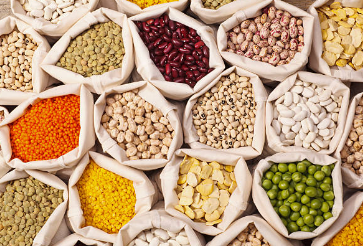
Legumes are an excellent source of plant-based protein, such as chickpeas, black beans, red beans, and soybeans, with 7 to 9 grams of protein per 100 grams of cooked legumes.
The protein in legumes contains no animal fat, making them suitable for controlling cholesterol levels and maintaining a healthy weight.
Rich in Minerals and Vitamins: A Healthy Natural Supplement
Legumes are rich in iron, calcium, potassium, and magnesium, especially helpful for vegetarians who may lack iron.
B vitamins (such as folate and vitamin B6) are abundant and help maintain cell function and brain health.
Dietary Fiber: The Guardian of Digestive Health
The high fiber content in legumes helps promote digestion, prevent constipation, and maintain the balance of gut bacteria.
Chapter 2: Creative Legume Recipes — The Perfect Combination of Taste and Nutrition
Classic Hummus: A Mediterranean Delicacy
Made with chickpeas, olive oil, tahini, garlic, and lemon juice, this simple yet flavorful dish can be used as a dip, salad topping, or paired with whole grain bread.

Black Bean Burger: A Healthy and Filling Vegan Main Course
Mash black beans and add onions, garlic, cilantro, and breadcrumbs, then pan-fry until golden. Serve with whole wheat burger buns and fresh vegetables.
High in protein and low in fat, with a rich taste, it is loved by both vegetarians and non-vegetarians.

Red Bean Fried Rice: A Quick and Tasty Homemade Dish
Stir-fry cooked red beans with rice, carrots, peas, and onions, seasoned with soy sauce, pepper, and sesame oil.
Red beans add plant protein and fiber to the fried rice, making it a nutritionally balanced vegetarian meal.
Braised Tofu with Beans: The Perfect Combination of Legumes and Soy Products
Fry tofu cubes until slightly golden, then braise with soy sauce, sugar, ginger, and garlic. The sauce is rich, and the taste is delightful.
Pair with rice to satisfy your taste buds and provide plenty of plant protein.
Chapter 3: Health Benefits of Legumes — A Superfood with Multiple Functions
Boosting Immunity: A Natural Source of Antioxidants
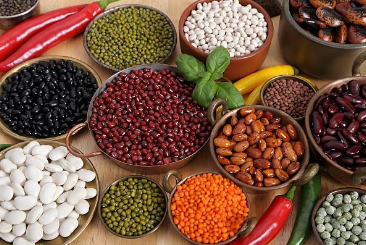
Isoflavones and polyphenols in legumes help fight free radicals, reducing the risk of cancer and cardiovascular diseases.
Promoting Digestive Health: The Power of Fiber
The dietary fiber in legumes helps improve gut function, prevent constipation, and regulate blood sugar levels.
Supporting Heart Health: A Natural Cholesterol Reducer
Plant sterols in legumes help reduce cholesterol levels, lowering the risk of heart disease.
With their low fat and high fiber content, legumes are ideal for heart health.
Chapter 4: Global Legume Delights — A Flavor Journey from Asia to the Americas
Asian Legume Cuisine: The Fusion of Tradition and Innovation
Tofu in China, miso soup in Japan, soybean curry in India, and bean sprout soup in Korea are classic applications of legumes in Asian cuisine.
These dishes are not only delicious but also high in protein and low in fat, meeting the standards of a healthy diet.
American Legume Cuisine: A Feast of Flavor and Nutrition
Black bean burritos in Latin America, fried bean cakes in Mexico, and vegan bean salads in California showcase the diversity of legumes in American cuisine.
Whether as a main dish, side, or snack, legumes add rich flavor and abundant nutrition to any meal.
Legumes are not only a treasure trove of protein for vegetarians but also an important part of global culinary culture. With their rich nutritional content, diverse cooking methods, and unique flavors, legumes offer infinite possibilities for vegetarians and health-conscious eaters. Whether you are a vegetarian or someone looking to increase plant-based protein intake, legumes are the perfect choice for your table. Let’s explore the delicious world of legumes and enjoy a double feast of health and flavor!