
In today’s world, where health and environmental awareness are growing, more and more people are turning to vegetarianism—not only for personal well-being but also for a sustainable future. But how do you take the first step into a vegetarian lifestyle as a beginner? This comprehensive guide will help you embark on a healthy and green dietary journey with ease.
1. Understanding Different Types of Vegetarian Diets
Before starting a vegetarian diet, it’s essential to understand the different types of vegetarianism:
- Vegan: Avoids all animal products, including meat, dairy, eggs, and honey.
- Lacto-Ovo Vegetarian: Excludes meat but includes dairy and eggs.
- Lacto Vegetarian: Includes dairy but avoids meat and eggs.
- Ovo Vegetarian: Includes eggs but excludes meat and dairy.
- Flexitarian: Primarily plant-based but occasionally consumes small amounts of meat or seafood.
Choosing the right type of vegetarian diet that suits your lifestyle can make the transition smoother and more sustainable.
2. Nutritional Balance: Smart Meal Planning
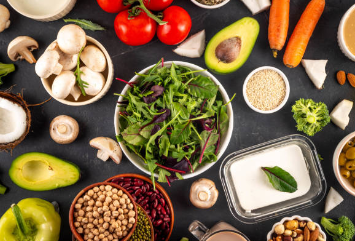
A vegetarian diet doesn’t mean limited food choices. Instead, proper meal planning ensures adequate nutrient intake for a balanced diet.
Protein Sources: Legumes, nuts, seeds, quinoa, tofu, and tempeh are excellent sources of plant-based protein.
Iron: Found in spinach, lentils, pumpkin seeds, and whole grains. Pairing with vitamin C-rich foods (like citrus fruits) enhances absorption.
Calcium: Almonds, sesame seeds, leafy greens, and fortified plant-based milk provide essential calcium.
Vitamin B12: Since B12 is mainly found in animal products, vegetarians should consume fortified foods or supplements.
Omega-3 Fatty Acids: Flaxseeds, chia seeds, walnuts, and seaweed are great plant-based sources.
3. Transitioning Gradually: Avoiding Sudden Changes
If your diet has been heavily meat-based, an abrupt shift to vegetarianism may be challenging for your body. Here are some practical tips to ease into the lifestyle:
Reduce meat intake gradually, starting with designated “meat-free days” each week.
Experiment with plant-based alternatives like tofu, chickpeas, and quinoa to discover new flavors.
Learn vegetarian cooking techniques to prepare simple yet nutritious meals.
Choose vegetarian-friendly restaurants when dining out to become familiar with more options.

4. Observing Physical and Mental Changes
Switching to a vegetarian diet can bring noticeable health benefits over time:
Lighter and healthier feeling, as plant-based diets are generally lower in calories and higher in fiber.
Improved digestion, thanks to fiber-rich foods that promote gut health.
More energy and stable blood sugar levels, due to a balanced intake of whole plant foods.

5. Handling Social Situations as a Vegetarian
One challenge in adopting a vegetarian lifestyle is social situations, such as family gatherings or dining out with friends. Here’s how to navigate them:
Inform your family and friends in advance about your dietary preferences.
Suggest vegetarian-friendly restaurants to accommodate both your needs and others’.
Bring a delicious plant-based dish to gatherings to introduce others to the variety of vegetarian cuisine.
Conclusion
Vegetarianism is a healthy and eco-friendly lifestyle that can be adapted at your own pace. Whether you choose to go fully vegetarian or start with a partial plant-based diet, maintaining a balanced, diverse, and nutrient-rich meal plan will make your journey both enjoyable and sustainable.
Start today and take your first step towards a healthy and green diet!