
In today’s culinary world, plant-based diets are becoming an increasingly popular choice for many people. For many, switching to a plant-based lifestyle is not only about health but also a commitment to the environment, animal welfare, and ethics. However, there is more than one type of plant-based diet, with the two most common being vegan and lacto-ovo vegetarian. These two diets have different rules and principles, so which one is right for you?
What is a Vegan Diet?
A vegan diet is one that excludes all animal-based foods. Vegans not only avoid meat and seafood but also any products derived from animals, such as dairy, eggs, honey, and any food or products containing animal ingredients. Vegans focus on plant-based sources of nutrition, including vegetables, fruits, nuts, seeds, legumes, and whole grains.
Benefits of a Vegan Diet:
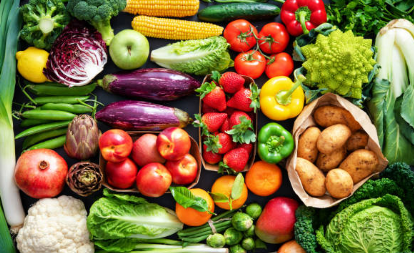
- Health Benefits: Studies have shown that a vegan diet can help reduce the risk of heart disease, diabetes, and certain cancers. Additionally, plant-based foods are rich in fiber, antioxidants, and healthy fats, and vegans often maintain healthier body weight.
- Environmental Benefits: Animal agriculture has a significant environmental impact, and a vegan diet reduces greenhouse gas emissions, energy consumption, and water usage.
- Animal Welfare: Vegans do not support any form of animal exploitation and advocate for the respect of animal life and natural ecosystems.
What is a Lacto-Ovo Vegetarian Diet?

A lacto-ovo vegetarian diet excludes meat and seafood but allows the consumption of eggs and dairy products. Lacto-ovo vegetarians eat vegetables, fruits, nuts, legumes, grains, as well as eggs, milk, cheese, and yogurt. This diet is slightly more flexible than veganism, but still adheres to the exclusion of meat and seafood.
Benefits of a Lacto-Ovo Vegetarian Diet:
- Easier to Follow: Compared to veganism, a lacto-ovo vegetarian diet provides more food options, making it easier to meet daily nutritional needs. Eggs and dairy products provide good sources of protein and calcium.
- Nutritionally Balanced: A lacto-ovo vegetarian diet provides protein, calcium, and vitamin B12, which may be more easily incorporated into daily meals, especially for certain populations like pregnant women, children, and older adults.
- More Flexibility: Since lacto-ovo vegetarians still consume some animal products, they have more food choices when dining out or at social gatherings, making the diet easier to maintain in various settings.
Differences Between Vegan and Lacto-Ovo Vegetarian Diets
1. Health Considerations
Vegan Diet: Since veganism eliminates all animal-based foods, it is typically rich in plant-based proteins, vitamins, minerals, and antioxidants. Long-term vegans often experience lower levels of fat and cholesterol. However, vegans need to be mindful of ensuring adequate intake of vitamin B12, iron, calcium, and omega-3 fatty acids, which may require supplementation.
Lacto-Ovo Vegetarian Diet: Lacto-ovo vegetarians can obtain protein, vitamin B12, and calcium from eggs and dairy products, making it easier to maintain a balanced and nutritious diet. However, overconsumption of dairy products may cause health issues such as lactose intolerance or inflammation. Therefore, it is important for lacto-ovo vegetarians to include a variety of plant-based foods in their diet.
- Environmental and Animal Welfare Considerations

Vegan Diet: From both an environmental and animal welfare perspective, a vegan diet is clearly the more ethical and sustainable option. By avoiding all animal-based products, vegans minimize their environmental impact and contribute to the reduction of animal exploitation.
Lacto-Ovo Vegetarian Diet: Although a lacto-ovo vegetarian diet avoids meat, it still involves the consumption of animal products, so it does not have the same level of environmental or ethical benefits as a vegan diet. However, reducing meat and animal products still has positive effects on the environment and animal welfare.
3. Adaptability and Sustainability
Vegan Diet: Although the vegan diet has numerous health and environmental benefits, it can be challenging to follow, particularly when dining out or in social settings where plant-based options are limited. Vegans must carefully plan their meals to ensure they get all the necessary nutrients.
Lacto-Ovo Vegetarian Diet: A lacto-ovo vegetarian diet is more adaptable and easier for many people to sustain. The inclusion of eggs and dairy makes it easier to meet nutritional needs and allows for more food variety. Many find it easier to transition to this diet and maintain it in the long term.
Which Diet is Right for You?

Whether you choose veganism or lacto-ovo vegetarianism ultimately depends on your personal health needs, ethical values, and lifestyle. If you want to completely avoid all animal-based products, a vegan diet may align better with your goals. On the other hand, if you want to maintain some animal-based foods while reducing meat consumption, a lacto-ovo vegetarian diet offers more flexibility and variety.
When choosing the best diet for yourself, consider the following factors:
- Your health needs: If you need more protein, calcium, or vitamin B12, a lacto-ovo vegetarian diet may be easier to manage.
- Your ethical and environmental views: If you want to reduce animal suffering and your environmental footprint, a vegan diet may be a better choice.
- Your lifestyle: If you’re looking for a diet that is easier to integrate into your daily life, a lacto-ovo vegetarian diet might provide the flexibility you need.
Whatever diet you choose, it is important to ensure your meals are balanced and diverse to meet all your nutritional needs.