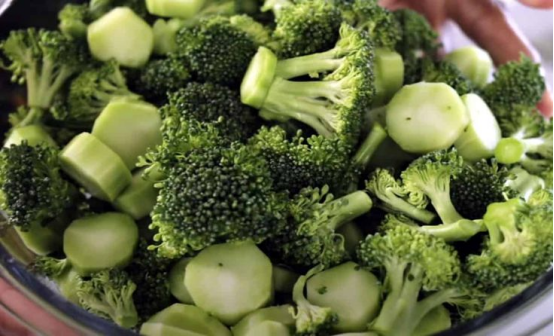
Transforming a simple meal into a memorable feast often hinges on the quality and creativity of its side dishes. While the main course takes center stage, well-executed accompaniments can elevate the entire dining experience, adding layers of flavor, texture, and nutritional value. This comprehensive guide is dedicated to mastering the art of vegetable side dishes, providing you with detailed insights, step-by-step instructions, and innovative ideas to create sides that are not only delicious but also easy to prepare. We’ll explore various vegetables, from versatile broccoli and earthy mushrooms to comforting potatoes and vibrant carrots, showcasing diverse cooking methods that promise to delight your palate and impress your guests. Get ready to dive into the world of savory, healthy, and utterly satisfying vegetable sides.
Broccoli Delights: From Texas Roadhouse Style to Creamy Soups
Broccoli, a powerhouse of nutrition, offers incredible versatility in side dish preparations. Beyond its health benefits, its crisp texture and mild flavor make it an ideal canvas for various culinary creations. Mastering broccoli involves understanding how different cooking methods can bring out its best qualities, whether you’re aiming for a tender-crisp bite or a silky-smooth soup.
Replicating the Famous Texas Roadhouse Broccoli
The secret to Texas Roadhouse’s beloved broccoli lies in its perfect balance of tenderness and flavor, often achieved through a simple yet effective steaming and seasoning process. This method ensures the broccoli retains its vibrant green color and nutritional integrity while absorbing a delicious buttery garlic essence.
- Preparation: Start with fresh broccoli florets, ensuring they are uniformly sized for even cooking. Wash them thoroughly and pat dry.
- Steaming Technique: Lightly steam the broccoli until it reaches a tender-crisp stage. This typically takes 3-5 minutes, depending on the size of the florets. Overcooking can lead to mushy texture and loss of color.
- Flavor Infusion: Immediately after steaming, toss the hot broccoli with a mixture of melted butter, minced garlic, a pinch of red pepper flakes for a subtle kick, and a squeeze of fresh lemon juice. The heat from the broccoli will help the flavors meld beautifully.
- Seasoning: Finish with salt and freshly ground black pepper to taste. Some recipes also suggest a sprinkle of Parmesan cheese for an extra layer of savory goodness.
Crafting a Hearty Broccoli Soup
Broccoli soup provides a comforting and nutritious alternative, perfect for chilly evenings or a light, wholesome lunch. The key to a rich and creamy broccoli soup without excessive cream often involves a roux base and careful blending.
- Ingredients Foundation: Begin by sautéing aromatics like chopped onions and garlic in butter or olive oil until softened.
- Building the Base: Add chopped broccoli florets and vegetable broth. For a richer flavor, some recipes incorporate a small amount of potato or carrots to naturally thicken the soup when blended.
- Simmer and Soften: Bring the mixture to a simmer and cook until the broccoli is very tender, allowing all the flavors to meld.
- Creamy Texture: Use an immersion blender or carefully transfer the soup to a regular blender to achieve a smooth, creamy consistency. For an extra touch of richness, a splash of heavy cream, milk, or even a dairy-free alternative can be stirred in at the end.
- Seasoning and Garnish: Season generously with salt, pepper, and a dash of nutmeg. Serve hot, garnished with croutons, a swirl of cream, or fresh herbs.

Mushroom & Potato Pairings: Air Fryer Innovations and Comforting Classics
Mushrooms and potatoes are a match made in culinary heaven, offering endless possibilities for satisfying side dishes. From the quick convenience of air frying to the rustic charm of traditional preparations, these ingredients can be transformed into incredibly flavorful accompaniments. The interplay of earthy mushrooms with the hearty texture of potatoes provides a robust foundation for diverse flavor profiles.
Air Frying Mushrooms and Red Onions for a Flavorful Twist
The air fryer has revolutionized the way we approach cooking, offering a healthier and often faster alternative to deep-frying or roasting. For mushrooms and red onions, it creates a wonderfully caramelized exterior and tender interior with minimal oil.
- Preparation: Slice mushrooms (cremini or button varieties work well) and red onions into uniform pieces. This ensures even cooking in the air fryer.
- Seasoning: Toss the vegetables with a light coating of olive oil, balsamic glaze, minced garlic, dried thyme, salt, and pepper. The balsamic glaze adds a touch of sweetness and helps with caramelization.
- Air Frying Process: Preheat your air fryer to around 375-400°F (190-200°C). Arrange the seasoned vegetables in a single layer in the air fryer basket, working in batches if necessary to avoid overcrowding. Overcrowding leads to steaming rather than crisping.
- Cooking Time: Air fry for 10-15 minutes, shaking the basket halfway through, until the mushrooms are tender and the onions are slightly charred and softened. The exact time may vary based on your air fryer model and the size of your vegetable pieces.
- Serving Suggestion: These make an excellent side for grilled meats, a topping for salads, or even a flavorful addition to grain bowls.
Classic Mushroom Potatoes: A Comforting Side
Combining mushrooms and potatoes in a skillet or baked dish creates a deeply satisfying and versatile side. This preparation often involves sautéing, roasting, or braising to develop rich, complex flavors.
- Potato Choice: Waxy potatoes like Yukon Golds or red potatoes hold their shape well and develop a creamy interior. Russets can also be used for a fluffier texture.
- Mushroom Variety: Button, cremini, or even sliced portobello mushrooms contribute umami depth.
- Cooking Method:
- Sautéed Version: Sauté sliced potatoes until golden and tender, then add mushrooms, garlic, and herbs (like rosemary or parsley). Finish with a knob of butter and a splash of broth or wine for extra flavor.
- Baked Casserole: Layer thinly sliced potatoes and mushrooms with a creamy sauce (perhaps a béchamel or a simple cream and cheese mixture) and bake until bubbly and golden brown. This method creates a hearty, indulgent side.
- Flavor Enhancements: Incorporate ingredients like caramelized onions, bacon bits, or a variety of cheeses (cheddar, Gruyère) to elevate the dish further. A sprinkle of fresh chives or dill before serving adds a bright finish.

Creative Potato & Rice Preparations: Beyond the Ordinary
While potatoes and rice are staples, their potential extends far beyond simple mashed or boiled versions. Innovative techniques can transform these humble ingredients into exciting and visually appealing side dishes that truly stand out. This section explores imaginative ways to combine and prepare potatoes and rice, offering unique textures and flavor profiles that will surprise and delight.
Mashed Potato Rice Balls: A Delightful Fusion
Mashed potato rice balls offer a playful and delicious fusion of two beloved starches. These crispy, savory bites are perfect as a side, appetizer, or even a fun snack. The concept involves encasing a flavorful filling within a potato-rice mixture, then breading and frying or baking until golden.
- Potato Base: Prepare mashed potatoes, ensuring they are smooth and free of lumps. Allow them to cool slightly to make them easier to handle.
- Rice Integration: Cooked short-grain or medium-grain rice is ideal for its stickiness, which helps bind the balls. Combine the mashed potatoes with the cooked rice in a ratio that allows for good cohesion, typically around 2 parts potato to 1 part rice.
- Flavoring the Mixture: Season the potato-rice mixture with salt, pepper, grated cheese (like mozzarella or Parmesan), and finely chopped herbs (parsley, chives). For added depth, finely minced and sautéed vegetables or a touch of spice can be incorporated.
- Forming and Filling: Take a portion of the mixture, flatten it in your palm, add a small amount of filling (e.g., a cube of cheese, a spoonful of seasoned ground meat, or sautéed vegetables), and then carefully form it into a ball, ensuring the filling is fully enclosed.
- Breading and Cooking: Roll the balls in seasoned breadcrumbs (Panko offers extra crispiness). They can then be deep-fried until golden brown and crispy, or baked in an oven/air fryer for a healthier alternative. Serve hot with a dipping sauce like marinara or a spicy aioli.
Colorful Rice Balls: A Visual and Flavorful Feast
Colorful rice balls are a fantastic way to introduce vibrancy and diverse flavors to your table. These can be made with various colored ingredients, creating a visually stunning array that appeals to both children and adults. The key is to infuse the rice with natural colors and distinct tastes.
- Rice Selection: Medium or short-grain white rice is best for shaping. Brown rice can also be used but may require more binder.
- Natural Coloring Agents & Flavoring:
- Green: Blend cooked spinach or pesto into a portion of the rice. Add a touch of lemon zest for brightness.
- Orange/Yellow: Infuse rice with turmeric or saffron for a golden hue, or blend in roasted carrot puree.
- Red/Pink: Use beet juice or finely grated cooked beets for a vibrant pink or red. Tomato paste can also contribute color and flavor.
- Black/Purple: Black forbidden rice naturally provides a striking dark color and nutty flavor.
- Binding and Shaping: Mix the colored rice with a small amount of rice vinegar, sugar, and salt for seasoning. You can also add finely chopped vegetables, toasted sesame seeds, or furikake for texture and flavor. Use wet hands or a rice mold to shape the rice into small, compact balls.
- Presentation: Arrange the colorful rice balls artfully on a platter. They can be served plain, with a light soy dipping sauce, or as part of a bento box. This dish is not only a side but also a conversation starter.

Root Vegetable Excellence: Roasted Carrots with Spinach Pesto
Root vegetables, particularly carrots, are celebrated for their natural sweetness and earthy depth. Roasting brings out their best qualities, caramelizing their sugars and creating a tender-crisp texture. Pairing roasted carrots with a fresh, vibrant spinach pesto elevates this simple side dish into a gourmet experience, balancing the sweetness of the carrots with the herbaceous freshness of the pesto.
The Art of Roasting Carrots
Perfectly roasted carrots are tender on the inside with slightly caramelized edges, enhancing their natural sweetness. The roasting process concentrates their flavors, making them an incredibly satisfying side.
- Carrot Preparation: Choose fresh, firm carrots. Peel them if desired, or scrub them well if leaving the skin on for extra nutrients and rustic appeal. Cut them into uniform pieces (batons, coins, or whole baby carrots) to ensure even cooking.
- Seasoning for Roasting: Toss the carrots generously with olive oil, salt, and freshly ground black pepper. For added flavor, consider a touch of maple syrup or honey to enhance caramelization, or herbs like thyme or rosemary.
- Roasting Temperature and Time: Preheat your oven to a relatively high temperature, typically 400-425°F (200-220°C). Spread the carrots in a single layer on a baking sheet. Avoid overcrowding, as this can steam the carrots instead of roasting them.
- Achieving Perfection: Roast for 20-30 minutes, flipping halfway through, until the carrots are tender when pierced with a fork and have developed beautiful golden-brown, slightly charred edges.
Crafting a Vibrant Spinach Pesto
While traditional pesto uses basil, a spinach-based pesto offers a milder, earthier flavor and a beautiful vibrant green color. It’s a fantastic way to add a fresh, herbaceous counterpoint to the sweetness of roasted carrots.
- Ingredients for Pesto:
- Greens: Fresh baby spinach leaves form the base.
- Nuts: Toasted pine nuts are classic, but walnuts or almonds can also be used for a different flavor profile.
- Cheese: Grated Parmesan or Pecorino Romano adds a salty, umami kick.
- Garlic: Fresh garlic cloves provide essential pungency.
- Oil: High-quality extra virgin olive oil is crucial for flavor and consistency.
- Acidity: A squeeze of fresh lemon juice brightens the pesto and prevents browning.
- Pesto Preparation: Combine spinach, nuts, cheese, and garlic in a food processor. Pulse until finely chopped. With the processor running, slowly drizzle in the olive oil until a smooth or slightly chunky consistency is achieved, depending on your preference. Stir in lemon juice and season with salt and pepper to taste.
- Pairing with Carrots: Once the roasted carrots are hot out of the oven, toss them gently with a generous dollop of the spinach pesto. The residual heat from the carrots will slightly warm the pesto, releasing its aromatic compounds. Garnish with additional fresh spinach leaves or toasted nuts if desired.

General Principles for Mastering Any Side Dish
While specific recipes provide detailed instructions, understanding the overarching principles of side dish preparation can elevate your cooking across the board. These fundamental guidelines ensure that every side dish you create is balanced, flavorful, and perfectly complements your main course, transforming your kitchen into a hub of culinary excellence.
Selecting the Right Ingredients
The foundation of any great dish, especially a vegetable-focused side, lies in the quality of its ingredients. Prioritizing fresh, seasonal produce can significantly impact the final taste and texture.
- Seasonality: Opt for vegetables that are in season. They are typically at their peak flavor, nutrient density, and are often more affordable.
- Freshness: Look for firm, vibrant, and unblemished vegetables. Wilting or discoloration can indicate a loss of freshness and flavor.
- Variety: Don’t be afraid to experiment with different varieties of the same vegetable (e.g., different types of potatoes, mushrooms, or carrots) to discover new flavor nuances.
Balancing Flavors and Textures
A truly exceptional side dish offers a delightful interplay of flavors and textures, providing contrast and complementing the main dish without overpowering it.
- Contrast in Flavor: Pair sweet elements (like roasted carrots) with acidic notes (lemon juice, vinegar) or bitter components (some greens). Incorporate umami-rich ingredients (mushrooms, Parmesan) for depth.
- Texture Dynamics: Combine soft elements (mashed potatoes, creamy soup) with crisp textures (roasted vegetables, croutons, toasted nuts). A mix of textures keeps each bite interesting.
- Complementary Profiles: Consider the main course. A rich main might benefit from a lighter, acidic side, while a simple protein could be enhanced by a more complex, hearty vegetable dish.
Mastering Cooking Techniques
The technique you choose can dramatically alter the outcome of your vegetable side. Understanding the strengths of different methods allows you to achieve desired textures and flavors.
- Roasting: Excellent for developing deep, caramelized flavors and tender interiors with crisp exteriors, especially for root vegetables and cruciferous vegetables.
- Steaming: Best for preserving nutrients and vibrant colors, ideal for delicate greens and broccoli, resulting in a tender-crisp texture.
- Sautéing: A quick method for developing flavor and softening vegetables, often used for mushrooms, onions, and leafy greens.
- Air Frying: Offers a healthier way to achieve crispy textures with minimal oil, great for quick cooking of vegetables like mushrooms, onions, and potatoes.
- Braising/Simmering: Suitable for heartier vegetables or for creating rich, flavorful soups and stews, allowing flavors to meld over time.
Presentation and Garnish
The visual appeal of a dish is just as important as its taste. Thoughtful presentation can elevate even the simplest side dish.
- Color Contrast: Use garnishes that provide a pop of contrasting color, such as fresh herbs on a creamy soup or colorful rice balls on a neutral plate.
- Height and Dimension: Arrange ingredients to create visual interest. A sprinkle of toasted nuts or seeds adds texture and height.
- Fresh Herbs: A final flourish of chopped fresh herbs (parsley, chives, cilantro, dill) not only adds color but also a burst of fresh flavor and aroma.
Troubleshooting Common Side Dish Challenges
Even experienced cooks encounter issues. Knowing how to troubleshoot can save a dish and improve your culinary skills.
- Vegetables too soft/mushy: Likely overcooked. Reduce cooking time or use a higher heat for shorter duration (e.g., roasting). Ensure not to overcrowd pans.
- Lack of flavor: Increase seasoning (salt, pepper, herbs, spices), add acidic elements (lemon juice, vinegar), or incorporate umami-rich ingredients (soy sauce, nutritional yeast, Parmesan).
- Too bland: Consider adding a hint of sweetness (honey, maple syrup), a touch of heat (red pepper flakes), or a deeper savory component (broth, sautéed garlic/onions).
- Texture issues (e.g., raw in center, burnt outside): Ensure vegetables are cut uniformly. Adjust oven temperature or cooking time. Check for proper heat distribution in your cooking equipment.
Frequently Asked Questions (FAQ)
- Q1: How can I prevent my steamed broccoli from turning mushy?
- To prevent mushy broccoli, steam it for a shorter duration, typically 3-5 minutes, until it’s tender-crisp and still vibrant green. Immediately plunge it into an ice bath (blanching) if you’re not serving it right away, which stops the cooking process and preserves its texture and color. Avoid overcrowding your steamer basket.
- Q2: What are the best potatoes for roasting to get crispy edges?
- For crispy roasted potatoes, starchy varieties like Russet or Idaho potatoes work well because their high starch content allows for a fluffy interior and a crispy exterior. Waxy potatoes like Yukon Golds also roast nicely, offering a creamier texture. Ensure potatoes are cut into uniform pieces, tossed with ample oil, and roasted in a single layer at a high temperature (400-425°F or 200-220°C).
- Q3: Can I make the spinach pesto ahead of time? How long does it last?
- Yes, spinach pesto can be made ahead of time. Store it in an airtight container in the refrigerator for up to 5-7 days. To prevent browning, pour a thin layer of olive oil over the surface of the pesto before sealing. You can also freeze pesto in ice cube trays for longer storage; once frozen, transfer the cubes to a freezer-safe bag.
- Q4: What’s the secret to getting vegetables to caramelize when roasting or air frying?
- Caramelization occurs when sugars in the vegetables brown under high heat. Key secrets include: 1) High heat (400°F/200°C or above). 2) Not overcrowding the pan/basket, which allows moisture to escape and surfaces to brown instead of steam. 3) A light coating of oil, which helps conduct heat and promotes browning. 4) A touch of natural sugar (like maple syrup or balsamic glaze) can enhance the process.
- Q5: How can I add more protein to my vegetable side dishes?
- To boost protein, you can incorporate ingredients like toasted nuts (almonds, walnuts, cashews), seeds (pumpkin, sunflower, sesame), crumbled feta or goat cheese, or a sprinkle of nutritional yeast for a cheesy, umami flavor. For heartier additions, consider mixing in roasted chickpeas, lentils, or even small amounts of cooked quinoa or farro.