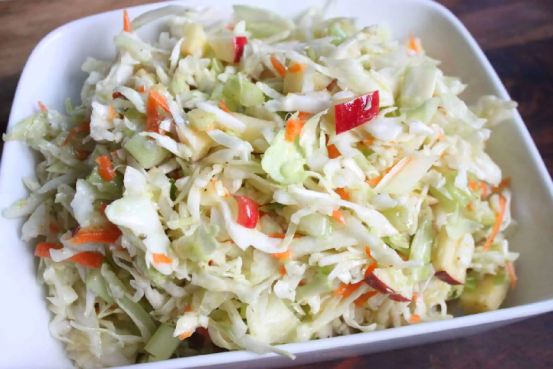
Salads are often misunderstood as mere dietary requirements or uninspired side dishes. However, when approached with the right techniques and high-quality seasonal ingredients, they become complex compositions of flavor and texture. This guide delves into two distinct yet complementary salad philosophies: the raw, vibrant energy of a cabbage-based slaw and the comforting, earthy depth of roasted root vegetables. By understanding the structural integrity of ingredients like red cabbage and the caramelization process of roasted pumpkin, you can create meals that are both satiating and nutritionally dense.
The Foundations of a Perfect Cabbage and Apple Slaw
A great slaw is defined by its “crunch factor” and the balance between sweetness and acidity. Unlike lettuce-based salads that wilt quickly, cabbage-based slaws are robust and often improve in flavor after sitting for an hour or two, making them ideal for meal prep and outdoor gatherings. The combination of cabbage and apple is a classic pairing that bridges the gap between savory and sweet, providing a refreshing palate cleanser for heavier main courses.
Selecting the Right Cabbage Varieties
Not all cabbage is created equal when it comes to slaw. To achieve a professional-grade texture, you must choose your variety based on the desired outcome. Red Cabbage is prized for its vibrant color and peppery bite, though it can bleed into other ingredients if dressed too early. Green Cabbage is the standard for its mild flavor and extreme sturdiness. For a more delicate, lace-like texture, Napa Cabbage or Savoy Cabbage are excellent choices, as their crinkled leaves hold onto dressings more effectively than the smooth-leaved varieties.
The Role of Apple Profiles
The apple provides the essential sweetness and moisture needed to offset the sulfurous notes of the cabbage. High-acid apples like Granny Smith provide a sharp contrast that cuts through creamy dressings. Conversely, sweeter varieties like Honeycrisp or Fuji offer a juicy, floral note that complements vinaigrettes. It is vital to slice apples into uniform matchsticks (julienne) to ensure they integrate seamlessly with the shredded cabbage, providing a consistent experience in every bite.

Advanced Textural Dynamics and Preparation Techniques
To elevate a slaw from a basic cafeteria side to a flagship dish, one must focus on the precision of the cut and the management of moisture. The goal is to achieve a texture that is crisp but not tough, and dressed but not soggy. This requires a combination of proper tool selection and a few “secret” chef steps that are often overlooked in home cooking.
Precision Cutting: Mandoline vs. Knife
The thickness of your cabbage and apple slices will dictate the overall mouthfeel of the salad. Using a mandoline slicer allows for paper-thin, translucent shavings of cabbage that create a light, airy pile of slaw. If using a knife, ensure it is exceptionally sharp and aim for the thinnest possible ribbons. Thicker cuts result in a “crunchy” salad that requires more chewing, while thinner cuts allow the dressing to penetrate the cell walls more quickly, softening the vegetables just enough to make them tender.
The Salting and Draining Process
One of the most effective ways to prevent a watery slaw is to “pre-salt” the cabbage. By tossing the shredded cabbage with a teaspoon of salt and letting it sit in a colander for 20 minutes, you draw out excess moisture. After rinsing and thoroughly drying the cabbage, it will remain crisp for much longer once the dressing is added. This step is particularly important if you are using a mayonnaise-based dressing, as the water released by the cabbage would otherwise break the emulsion and create a thin, unappealing liquid at the bottom of the bowl.

The Warmth of the Harvest: Roasting the Perfect Pumpkin
While slaws focus on raw freshness, the roasted pumpkin salad celebrates the transformation of starches into sugars through heat. Roasting pumpkin (or squash) brings out a nutty sweetness and a creamy texture that acts as a substantial base for a hearty salad. This style of salad is often served warm or at room temperature, making it a versatile option for transitional seasons.
Choosing the Best Pumpkin for Roasting
For the best culinary results, avoid large “Jack-o-lantern” style pumpkins, which tend to be watery and fibrous. Instead, look for culinary varieties such as:
- Butternut Squash: Highly reliable, sweet, and easy to peel.
- Kabocha: An Asian variety with an edible skin and a texture similar to a roasted chestnut.
- Sugar Pumpkins: Small and dense, these offer a classic pumpkin flavor with a smooth finish.
- Delicata Squash: Excellent for salads because the skin is tender and the flavor is reminiscent of corn and sweet potato.
The Science of Roasting for Maximum Flavor
To achieve the perfect roasted pumpkin, you must balance temperature and surface area. High heat (around 400°F or 200°C) is necessary to trigger the Maillard reaction, which creates the browned, caramelized exterior that provides deep flavor. Ensure the pumpkin cubes are spread in a single layer with plenty of space between them; overcrowding the pan will cause the pumpkin to steam rather than roast, resulting in a mushy texture. Tossing the cubes in a high-smoke-point oil and seasonings like smoked paprika, cumin, or cinnamon can further enhance the flavor profile.

Flavor Synergy: Pairing Ingredients for Maximum Impact
A successful pillar salad relies on the interaction between the base vegetable and its supporting cast. To create a multi-dimensional dish, you must incorporate elements that satisfy all five primary tastes: sweet, sour, salty, bitter, and umami. This is where you can customize your salad to suit your specific preferences or the theme of your meal.
The Importance of Fatty Elements
Both cabbage and pumpkin benefit significantly from the addition of healthy fats. In a roasted pumpkin salad, creamy Feta cheese or Goat cheese provides a salty tang that cuts through the sweetness of the squash. For a vegan option, avocado or a dollop of tahini can provide a similar richness. In slaws, the fat often comes from the dressing, but adding toasted nuts or seeds can provide an extra layer of flavor and satiety.
Incorporating Grains and Greens
To turn these salads into full meals, consider adding a grain base. Quinoa, Farro, or Wild Rice work exceptionally well with roasted pumpkin, absorbing the dressing and adding a chewy contrast. For the greens, choose varieties that can stand up to the other ingredients. Arugula provides a peppery bite that balances sweet roasted vegetables, while Baby Spinach offers a milder, nutrient-dense backdrop.

Dressing Mastery: Balancing Acidity, Fat, and Sweetness
The dressing is the “glue” that holds the salad together. For a pillar page salad, we move beyond store-bought bottles and focus on handcrafted emulsions. The ratio of fat to acid is typically 3:1, but this can be adjusted based on the water content of your vegetables. Below is a comparison of dressing styles suitable for these salads:
| Dressing Type | Best For | Key Ingredients | Flavor Profile |
|---|---|---|---|
| Creamy Mayo-Based | Traditional Slaws | Mayo, Apple Cider Vinegar, Honey, Celery Seed | Rich, tangy, and smooth |
| Balsamic Vinaigrette | Roasted Pumpkin Salad | Balsamic Vinegar, Olive Oil, Dijon Mustard, Garlic | Bold, acidic, and slightly sweet |
| Tahini Lemon | Vegan Roasted Salads | Tahini, Lemon Juice, Maple Syrup, Cumin | Earthy, nutty, and bright |
| Cider Vinaigrette | Apple & Cabbage Slaw | Apple Cider Vinegar, Shallots, Grainy Mustard, Honey | Light, crisp, and fruity |

Nutritional Excellence: The Health Benefits of Seasonal Produce
Eating seasonally is not just a culinary preference; it is a nutritional strategy. Vegetables harvested at their peak contain higher concentrations of vitamins and minerals. Cabbage and pumpkin are both nutritional powerhouses that offer a wide range of health benefits, particularly for the immune system and digestive health.
Cabbage: The Cruciferous Powerhouse
Cabbage is a member of the cruciferous vegetable family, known for its high concentration of Vitamin C and Vitamin K. It is also rich in anthocyanins (especially in red cabbage), which are powerful antioxidants that help reduce inflammation. The high fiber content in raw cabbage supports a healthy gut microbiome by providing “prebiotic” fuel for beneficial bacteria.
Pumpkin: The Beta-Carotene Giant
The bright orange hue of pumpkin is a clear indicator of its Beta-Carotene content, which the body converts into Vitamin A. This is essential for eye health and skin integrity. Additionally, roasted pumpkin provides significant amounts of potassium, which helps regulate blood pressure, and magnesium, which is vital for bone health and muscle function.
Frequently Asked Questions (FAQ)
- Q1: How can I prevent my apples from turning brown in the slaw?
- The oxidation of apples can be slowed down by tossing the apple matchsticks in a small amount of lemon or lime juice immediately after cutting. Additionally, ensuring the apples are fully coated in the salad dressing will create a barrier against oxygen, keeping them looking fresh for several hours.
- Q2: Can I roast the pumpkin ahead of time for a cold salad?
- Yes, roasted pumpkin is excellent when served cold. After roasting, let the pumpkin cool to room temperature before storing it in an airtight container in the refrigerator. When ready to serve, toss it with your greens and dressing. Note that the texture will be slightly firmer when cold than when freshly roasted.
- Q3: What are the best substitutes for feta cheese in a roasted salad?
- If you want to avoid feta, goat cheese (chevre) offers a similar creaminess and tang. For a dairy-free or vegan alternative, use pickled red onions for tang, or toasted walnuts for a savory, fatty component. You can also find high-quality almond-based “feta” at many health food stores.
- Q4: How long will these salads stay fresh in the refrigerator?
- A cabbage-based slaw will typically stay crunchy for 2-3 days, though it is best within the first 24 hours. A roasted pumpkin salad is best eaten within 2 days, as the greens may begin to wilt once they come into contact with the dressing and the moisture from the pumpkin.
- Q5: Do I need to peel the pumpkin before roasting?
- This depends on the variety. Butternut and Sugar pumpkins have tough skins that are generally removed. However, Kabocha, Delicata, and Honeynut squashes have thin, edible skins that become tender and delicious when roasted, adding extra fiber and texture to your salad.