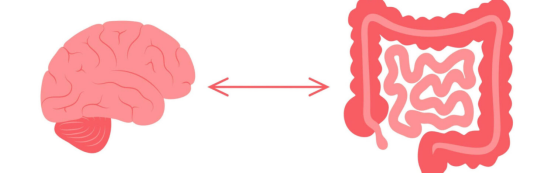
The human body is governed by a complex network of communication systems, but perhaps none is as profound or as recently understood as the gut-brain axis. This bidirectional link between the central nervous system (CNS) and the enteric nervous system (ENS) means that the state of your digestive tract directly influences your emotional state, cognitive function, and overall mental health. Conversely, psychological stress can manifest as physical digestive distress. As modern diets shift toward highly processed foods, understanding how dietary choices and chemical additives influence this axis has become critical for maintaining mental clarity and emotional stability.
The Biological Foundation of the Gut-Brain Axis
The gut-brain axis is not a single pathway but a multi-lane highway involving neurological, endocrine, and immune signaling. The primary physical link is the vagus nerve, the longest cranial nerve in the body, which transmits signals from the gut lining to the brain stem. However, the communication is not just electrical; it is chemical. The gut is often referred to as the “second brain” because it contains millions of neurons and produces a vast array of neuroactive compounds.
The Role of Neurotransmitters in the Gut
It is a startling biological fact that approximately 90% to 95% of the body’s serotonin—a key neurotransmitter responsible for regulating mood, sleep, and appetite—is produced in the gastrointestinal tract. Specialized cells in the gut lining, known as enterochromaffin cells, synthesize serotonin in response to signals from gut bacteria. Furthermore, the gut microbiome is responsible for producing Gamma-aminobutyric acid (GABA), a neurotransmitter that helps control feelings of fear and anxiety. When the microbial balance is disrupted, the production of these “feel-good” chemicals falters, leading to a direct decline in mental wellbeing.
The Vagus Nerve: The Information Superhighway
The vagus nerve acts as a real-time monitor of the gut environment. It detects the metabolites produced by bacteria, such as short-chain fatty acids (SCFAs), and sends this information to the brain. Research has shown that stimulating the vagus nerve can have antidepressant effects, while a “leaky” or inflamed gut can send distress signals that the brain interprets as anxiety or low mood. This constant loop ensures that any change in the gut microbiome is felt almost instantly in the brain’s emotional centers.

The Disruptive Impact of Food Preservatives on Microbial Diversity
The modern food industry relies heavily on preservatives to extend shelf life and prevent spoilage. While these chemicals are effective at killing bacteria in food, they do not stop working once they enter the human body. Emerging evidence suggests that common food additives can significantly alter the composition of the gut microbiome, favoring the growth of pathogenic bacteria while suppressing beneficial strains like Lactobacillus and Bifidobacterium.
Common Additives and Their Mechanisms of Action
Preservatives are designed to inhibit microbial growth, and their impact on the human microbiome is often underestimated. Below is a breakdown of common additives and their observed effects on gut health:
| Additive Type | Common Examples | Observed Impact on Microbiome |
|---|---|---|
| Antimicrobials | Sodium Benzoate, Potassium Sorbate | Reduction in microbial diversity and inhibition of beneficial fermenting bacteria. |
| Emulsifiers | Polysorbate 80, Carboxymethylcellulose | Thinning of the protective mucus layer in the gut, leading to low-grade inflammation. |
| Artificial Sweeteners | Aspartame, Saccharin | Alteration of metabolic pathways and increased risk of glucose intolerance through microbial shifts. |
| Nitrates/Nitrites | Sodium Nitrite (Processed meats) | Potential formation of nitrosamines which can negatively impact the gut lining. |
The Erosion of the Mucosal Barrier
One of the most dangerous effects of certain preservatives, particularly emulsifiers, is the degradation of the gut’s mucosal barrier. This barrier is the first line of defense against pathogens. When this lining is compromised, a condition known as “leaky gut” or increased intestinal permeability occurs. This allows toxins and undigested food particles to enter the bloodstream, triggering a systemic immune response. This chronic inflammation is a known precursor to neuroinflammation, which is closely linked to depression and cognitive decline.

Clinical Links Between Gut Dysbiosis and Mental Health Disorders
The state of microbial imbalance, known as dysbiosis, is no longer seen as just a digestive issue. It is increasingly recognized as a foundational element in psychiatric health. When the microbiome is out of sync, the brain receives “noisy” or inflammatory signals, which can manifest as various mental health challenges.
Anxiety and Depression: The Microbial Connection
Studies comparing the gut bacteria of healthy individuals with those suffering from clinical depression have found significant differences. Depressed individuals often lack specific bacteria that produce anti-inflammatory metabolites. Without these metabolites, the body remains in a state of high alert. This chronic stress response elevates cortisol levels, which further damages the gut lining, creating a vicious cycle of poor gut health and worsening mental symptoms.
Cognitive Function and “Brain Fog”
Many individuals report “brain fog”—a lack of focus, memory issues, and mental fatigue—after consuming diets high in processed foods and preservatives. This is often the result of metabolic endotoxemia. When the gut is unhealthy, bacterial toxins called lipopolysaccharides (LPS) leak into the blood. LPS can cross the blood-brain barrier, causing inflammation in the brain’s hippocampus and prefrontal cortex, the areas responsible for memory and executive function. Reducing preservative intake and healing the gut can often lead to a dramatic “lifting” of this mental fog.

Nutritional Strategies to Optimize the Gut-Brain Connection
Restoring the gut-brain axis requires a proactive approach to nutrition. By removing disruptors and introducing beneficial elements, it is possible to reshape the microbiome and, by extension, improve mental health. This process involves more than just taking a supplement; it requires a fundamental shift in dietary philosophy.
The Power of Fermented Foods and Probiotics
To rebuild a damaged microbiome, one must “reseed” the gut with beneficial bacteria. Fermented foods are the most bioavailable source of these organisms. Incorporating the following into a daily diet can significantly enhance microbial diversity:
- Kefir: A fermented milk drink containing dozens of strains of bacteria and yeast.
- Sauerkraut and Kimchi: Fermented vegetables rich in Lactobacillus.
- Kombucha: A fermented tea that provides organic acids and probiotics.
- Miso and Tempeh: Fermented soy products that support gut integrity.
Prebiotics: Fueling the Beneficial Flora
Probiotics cannot thrive without the right fuel. Prebiotics are non-digestible fibers that act as food for your “good” bacteria. A diet high in prebiotic fibers ensures that beneficial strains can outcompete pathogenic ones. Excellent sources include garlic, onions, leeks, asparagus, bananas, and whole grains. When bacteria ferment these fibers, they produce short-chain fatty acids (SCFAs) like butyrate, which have been shown to strengthen the blood-brain barrier and reduce brain inflammation.
Practical Steps for Reducing Preservative Exposure
Transitioning away from a preservative-heavy diet requires diligence. Key strategies include:
- Reading Labels: Avoid products with long lists of chemical names, specifically looking out for benzoates, sorbates, and nitrates.
- Prioritizing Whole Foods: Focus on the perimeter of the grocery store where fresh produce, meats, and eggs are located.
- Cooking at Home: Preparing meals from scratch is the only way to have total control over the ingredients and additives in your food.
- Choosing Organic: When possible, organic foods reduce the risk of pesticide residue, which can also act as a microbiome disruptor.
Frequently Asked Questions (FAQ)
- Q1: How long does it take for dietary changes to affect my mental health?
- While some people notice improvements in energy and focus within a few days, significant shifts in mood and anxiety levels typically take 4 to 8 weeks. This is the time required for the microbiome to stabilize into a new, healthier composition and for systemic inflammation to subside.
- Q2: Can probiotics replace antidepressants?
- Probiotics, sometimes called “psychobiotics,” are a powerful tool for supporting mental health, but they should not be used to replace prescribed medication without medical supervision. They are best used as a complementary therapy to enhance overall resilience and brain function.
- Q3: Are all food preservatives bad for the gut?
- Not all preservatives are equally harmful. Natural preservatives like salt, vinegar, and citric acid are generally well-tolerated. The primary concerns are synthetic chemicals like sodium benzoate, potassium sorbate, and artificial emulsifiers, which have been specifically linked to microbiome disruption.
- Q4: Is “leaky gut” a real medical condition?
- Yes, in medical literature, it is referred to as “increased intestinal permeability.” It is a measurable condition where the tight junctions of the intestinal wall loosen, allowing substances to enter the bloodstream that shouldn’t be there, triggering immune and inflammatory responses.
- Q5: What is the single most important food for the gut-brain axis?
- There is no “magic bullet,” but high-fiber vegetables are arguably the most important. Fiber is the primary food source for beneficial bacteria that produce the neurotransmitters and anti-inflammatory compounds necessary for brain health.