The human body is an intricate network of systems, each profoundly affecting the others. Among the most vital are the cardiovascular and renal systems, which work in tandem to maintain homeostasis. When one falters, the other often bears the brunt, leading to a cascade of health issues. Hypertension, or high blood pressure, is a leading risk factor for kidney disease, while compromised kidney function can exacerbate blood pressure control. This guide aims to unravel these complex interconnections, focusing on the critical roles of dietary sodium, the therapeutic potential of certain foods like beets, and the emerging benefits of lifestyle patterns such as intermittent fasting in safeguarding both kidney health and blood pressure regulation. By understanding the science and implementing practical strategies, individuals can take proactive steps towards a healthier future.
Understanding the Impact of Salt on Kidneys and Blood Pressure
Excessive sodium intake is a well-established culprit in the development and progression of hypertension and kidney disease. The kidneys are the primary regulators of sodium balance in the body, filtering and reabsorbing vast quantities of salt daily. However, chronic overload can overwhelm these delicate mechanisms, leading to detrimental effects on both systemic blood pressure and direct renal function. Understanding how the body senses and responds to salt is crucial for appreciating the broader implications of dietary sodium.
The Mechanisms of Salt Sensing in the Body
The body employs sophisticated mechanisms to sense and regulate salt levels, ensuring proper fluid balance and blood pressure. Beyond the traditional understanding of osmoreceptors in the brain that detect changes in plasma osmolality, recent research has unveiled more nuanced salt-sensing pathways. The kidneys themselves possess specialized cells that monitor sodium concentrations, influencing the renin-angiotensin-aldosterone system (RAAS), a powerful hormonal cascade that regulates blood pressure and fluid balance. Furthermore, emerging evidence suggests that certain tissues outside the kidneys, such as the skin, can act as “salt reservoirs,” storing excess sodium in a non-osmotic manner, which can still influence systemic blood pressure and immune responses. This complex interplay highlights that salt regulation is not just about water balance but also involves intricate cellular and hormonal signaling.
- Osmoreceptors: Specialized cells, primarily in the hypothalamus, detect changes in blood osmolality, triggering thirst and antidiuretic hormone (ADH) release to regulate water balance.
- Renin-Angiotensin-Aldosterone System (RAAS): Kidneys release renin in response to low blood pressure or sodium, initiating a cascade that constricts blood vessels and promotes sodium and water retention.
- Extra-renal Salt Sensing: Recent discoveries point to mechanisms in tissues like the skin and vasculature that can sense and store sodium, influencing local and systemic physiological responses independent of classic osmotic pathways.
How High Sodium Leads to Kidney Damage
When the kidneys are consistently exposed to high levels of sodium, they are forced to work harder to excrete the excess, leading to long-term damage. This sustained effort can result in increased glomerular filtration pressure, which over time, can injure the delicate filtering units (glomeruli). High sodium intake promotes inflammation and oxidative stress within the renal tissue, contributing to fibrosis—the scarring of kidney tissue—which is a hallmark of chronic kidney disease. This process is often silent in its early stages, making the prevention of excessive sodium intake critically important. Furthermore, the associated hypertension directly damages the small blood vessels within the kidneys, impairing their ability to filter waste and maintain fluid balance.
- Glomerular Hyperfiltration: Kidneys increase filtration rates to handle excess sodium, leading to stress and damage to the glomeruli over time.
- Increased Proteinuria: Damaged glomeruli become leaky, allowing protein to escape into the urine, a key indicator of kidney injury.
- Renal Fibrosis: Chronic inflammation and oxidative stress induced by high sodium contribute to the accumulation of scar tissue in the kidneys, progressively impairing function.
- Vascular Damage: Hypertension directly damages the renal microvasculature, leading to reduced blood flow and oxygen supply to kidney tissues.
Hypertension: A Direct Consequence of Excessive Salt
The link between high sodium intake and hypertension is profound and well-documented. Consuming too much salt causes the body to retain water, increasing the volume of blood circulating in the arteries. This increased blood volume puts greater pressure on the blood vessel walls, leading to elevated blood pressure. Over time, this chronic elevation hardens and narrows the arteries, further exacerbating hypertension and increasing the risk of heart attack, stroke, and kidney failure. While individual sensitivity to salt varies, the general population benefits significantly from reducing sodium intake. Studies consistently show that reducing dietary sodium can lead to a measurable decrease in both systolic and diastolic blood pressure, making it one of the most effective non-pharmacological interventions for hypertension.
- Fluid Retention: Sodium causes the body to hold onto water, increasing blood volume.
- Increased Vascular Resistance: Higher blood volume and stiffened arteries increase the resistance against which the heart must pump blood.
- Endothelial Dysfunction: High salt can impair the function of the endothelial cells lining blood vessels, reducing their ability to dilate and constrict properly.
- Renin-Angiotensin System Activation: In some individuals, high salt intake can paradoxically activate the RAAS, further contributing to vasoconstriction and fluid retention.

Dietary and Lifestyle Interventions for Kidney and Blood Pressure Management
While reducing sodium is critical, a holistic approach to kidney health and blood pressure management extends to other dietary components and lifestyle practices. Certain foods possess unique properties that can actively support cardiovascular and renal well-being, and structured eating patterns can offer metabolic benefits that protect these vital organs. Integrating a diverse range of strategies provides a robust defense against chronic disease progression.
The Role of Beets in Lowering Blood Pressure
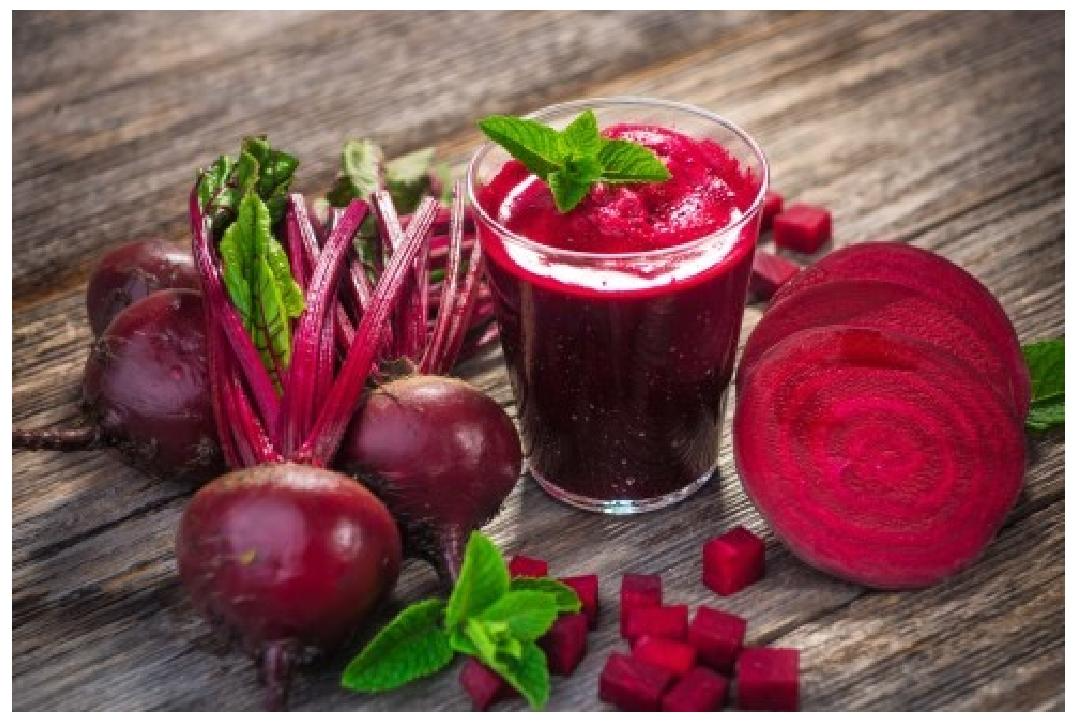
Beets (beetroot) have gained considerable attention for their potential to naturally lower blood pressure. This powerful effect is primarily attributed to their high concentration of dietary nitrates. When consumed, these nitrates are converted into nitric oxide (NO) in the body. Nitric oxide is a potent vasodilator, meaning it relaxes and widens blood vessels, thereby improving blood flow and reducing arterial stiffness. This physiological response directly leads to a decrease in blood pressure. Research, including clinical trials, has demonstrated that regular consumption of beet juice can lead to significant reductions in both systolic and diastolic blood pressure, comparable to some pharmacological interventions. Beyond nitrates, beets also offer antioxidants and anti-inflammatory compounds that contribute to overall cardiovascular health.
- Nitrate-Nitrite-Nitric Oxide Pathway: Dietary nitrates from beets are converted to nitrites by oral bacteria, then to nitric oxide in the stomach and bloodstream, promoting vasodilation.
- Improved Endothelial Function: Nitric oxide enhances the flexibility and responsiveness of blood vessels, crucial for healthy blood pressure regulation.
- Antioxidant Properties: Beets contain betalains, powerful antioxidants that combat oxidative stress, protecting blood vessels and kidney cells from damage.
- Clinical Evidence: Numerous studies have shown that beet juice consumption can lead to acute and chronic reductions in blood pressure in hypertensive individuals.
Exploring Intermittent Fasting for Kidney Protection and Obesity Management
Intermittent fasting (IF), an eating pattern that cycles between periods of eating and voluntary fasting, has emerged as a promising lifestyle intervention with broad health benefits, including potential protection for kidney health, particularly in the context of obesity. Obesity is a significant risk factor for chronic kidney disease (CKD), often leading to conditions like diabetic nephropathy and focal segmental glomerulosclerosis. IF can combat these issues through several mechanisms: promoting weight loss, improving insulin sensitivity, reducing systemic inflammation, and inducing cellular autophagy. Autophagy is a cellular “self-cleaning” process where damaged cells and components are recycled, which can be particularly beneficial for stressed kidney cells. By improving metabolic health and reducing the burden of obesity, IF indirectly alleviates pressure on the kidneys and may help prevent or slow the progression of renal damage.
- Weight Loss: IF typically leads to reduced caloric intake, resulting in weight loss, which directly alleviates stress on the kidneys associated with obesity.
- Improved Insulin Sensitivity: Fasting periods can enhance the body’s response to insulin, reducing the risk of insulin resistance and type 2 diabetes, major drivers of kidney disease.
- Reduced Inflammation: IF has been shown to lower markers of systemic inflammation, which contributes to kidney damage and cardiovascular disease.
- Autophagy Induction: Fasting triggers autophagy, a process where cells clear out damaged components, potentially protecting kidney cells from injury and promoting their regeneration.
Comprehensive Dietary Strategies Beyond Sodium Reduction
While moderating sodium intake is paramount, a truly comprehensive dietary strategy for kidney health and blood pressure involves much more. The Dietary Approaches to Stop Hypertension (DASH) diet, for instance, emphasizes a rich intake of fruits, vegetables, whole grains, and lean proteins, while limiting saturated fats, cholesterol, and sugary drinks. This pattern naturally increases potassium intake, which helps to counteract the effects of sodium and promotes vasodilation. Adequate hydration, achieved by drinking sufficient water throughout the day, supports kidney function by aiding in the filtration and excretion of waste products. Furthermore, incorporating foods rich in omega-3 fatty acids, such as fatty fish, can reduce inflammation and improve cardiovascular health, indirectly benefiting the kidneys. Focusing on whole, unprocessed foods and minimizing ultra-processed items is a foundational principle for optimal health.
- DASH Diet Principles: Emphasizes high intake of fruits, vegetables, whole grains, and low-fat dairy, providing essential nutrients and promoting a healthy sodium-potassium balance.
- Potassium Intake: Foods like bananas, spinach, and avocados are rich in potassium, which helps balance sodium levels and relax blood vessel walls.
- Hydration: Sufficient water intake supports glomerular filtration and prevents the concentration of toxins in the kidneys.
- Omega-3 Fatty Acids: Found in fish oil and flaxseed, these fatty acids reduce inflammation and improve endothelial function.
- Whole Foods Focus: Prioritizing unprocessed foods naturally reduces hidden sodium, unhealthy fats, and artificial additives.

Advanced Insights and Future Directions
The fields of nephrology and cardiology are continuously evolving, with new research shedding light on more sophisticated mechanisms and personalized approaches to managing kidney health and blood pressure. Beyond broad dietary guidelines, understanding individual variations and leveraging cutting-edge science will be key to future preventive and therapeutic strategies. The future of managing these conditions lies in a deeper understanding of genetics, the microbiome, and highly individualized interventions.
Emerging Research in Renal and Cardiovascular Health
Recent scientific advancements are uncovering novel pathways and targets for preventing and treating kidney disease and hypertension. Research into the kidney’s role in immune regulation, for example, is revealing how inflammation contributes to renal damage beyond direct pressure effects. Studies are also exploring the gut microbiome’s influence on blood pressure and kidney function, suggesting that modulating gut bacteria could be a future therapeutic strategy. Furthermore, the development of new classes of drugs, such as SGLT2 inhibitors, initially for diabetes, has shown remarkable renoprotective and cardioprotective effects, expanding our arsenal against these intertwined conditions. Understanding these complex interactions at a molecular level will pave the way for more targeted and effective interventions.
- Microbiome-Kidney Axis: Research indicates that gut dysbiosis can impact kidney function and blood pressure through metabolite production and inflammatory pathways.
- Inflammasome Activation: Studies are identifying specific inflammatory pathways (e.g., inflammasomes) in the kidney that contribute to fibrosis and damage.
- Genetic Predispositions: Advanced genetic sequencing is helping identify individuals at higher risk for salt-sensitive hypertension or specific forms of kidney disease, allowing for earlier, tailored interventions.
- Novel Therapeutics: Beyond SGLT2 inhibitors, new compounds targeting specific fibrotic or inflammatory pathways in the kidney are under investigation.
Personalized Approaches to Dietary Interventions
Recognizing that “one size does not fit all” is becoming increasingly important in dietary recommendations. Genetic variations, for instance, can influence an individual’s sensitivity to salt, meaning some people experience a much greater blood pressure response to sodium intake than others. Similarly, individual metabolic profiles, influenced by genetics, lifestyle, and the gut microbiome, dictate how effectively one might respond to interventions like intermittent fasting or specific dietary components like nitrates from beets. Future approaches will likely involve personalized nutrition plans based on genetic testing, metabolic biomarkers, and even continuous glucose monitoring, allowing for highly customized dietary advice that maximizes benefits for kidney health and blood pressure control. This shift from generic guidelines to precision nutrition promises more effective and sustainable outcomes.
- Salt Sensitivity Testing: Clinical tests and genetic markers can help identify individuals who are more susceptible to the blood pressure-raising effects of sodium.
- Metabolic Profiling: Analyzing blood, urine, and stool samples can reveal unique metabolic signatures that inform optimal dietary choices.
- Genomic Nutrition: Tailoring dietary advice based on an individual’s genetic makeup to optimize nutrient absorption, metabolism, and disease prevention.
- Wearable Technology: Devices providing real-time data on blood glucose, heart rate, and activity levels can help refine personalized fasting and eating schedules.

Conclusion: A Holistic Approach to Preventing Kidney Disease and Hypertension
The journey to optimal kidney health and well-regulated blood pressure is a multi-faceted one, demanding attention to both broad dietary principles and specific, evidence-backed interventions. It is clear that excessive salt intake poses a significant threat, driving both hypertension and direct kidney damage through complex physiological pathways. However, the narrative is not solely about restriction; it also encompasses the proactive inclusion of beneficial foods, such as beets with their nitrate-rich vasodilation properties, and the adoption of strategic lifestyle patterns like intermittent fasting, which offers profound metabolic and cellular benefits, particularly in the context of obesity-related renal stress. By embracing a holistic perspective that integrates mindful dietary choices, targeted nutritional support, and informed lifestyle modifications, individuals can significantly reduce their risk of developing or progressing kidney disease and hypertension, paving the way for a healthier, more vibrant life. The ongoing research in these areas promises even more refined and personalized strategies in the years to come, emphasizing the importance of staying informed and proactive in managing one’s health.
Frequently Asked Questions (FAQ)
- Q1: How much salt is too much for kidney health and blood pressure?
- For most adults, health organizations recommend limiting sodium intake to less than 2,300 milligrams (mg) per day, which is about one teaspoon of table salt. However, individuals with hypertension, kidney disease, or those at high risk may benefit from an even lower intake, typically around 1,500 mg per day. It’s crucial to check food labels, as processed foods are often hidden sources of high sodium.
- Q2: Can beet juice really replace blood pressure medication?
- While beet juice has demonstrated significant blood pressure-lowering effects due to its nitrate content, it should not replace prescribed blood pressure medication without strict medical supervision. Beets can be a powerful complementary therapy, but medication dosages are carefully calibrated by healthcare professionals. Always consult your doctor before making any changes to your medication regimen or using dietary supplements for managing chronic conditions.
- Q3: Is intermittent fasting safe for people with existing kidney conditions?
- Intermittent fasting can offer benefits like weight loss and improved metabolic health, which may indirectly support kidney function. However, for individuals with existing kidney conditions, especially advanced stages of chronic kidney disease (CKD), caution is advised. Fasting can sometimes alter electrolyte balance or hydration status, which can be risky for compromised kidneys. It is absolutely essential to consult with a nephrologist or a registered dietitian specialized in kidney disease before attempting intermittent fasting if you have any pre-existing renal issues.
- Q4: What are the early signs of salt-induced kidney damage?
- Early salt-induced kidney damage often presents with no noticeable symptoms, making it a “silent disease.” The most common early indicator is usually high blood pressure itself. As damage progresses, signs might include swelling in the legs, ankles, or feet (edema), increased frequency of urination, particularly at night, and changes in urine appearance. Regular check-ups, including blood pressure monitoring and kidney function tests (like estimated glomerular filtration rate – eGFR, and urine albumin-to-creatinine ratio – UACR), are vital for early detection.
- Q5: Beyond diet, what other lifestyle changes help manage hypertension and protect kidneys?
- Beyond dietary modifications, several lifestyle changes are crucial for managing hypertension and protecting kidney health. Regular physical activity, aiming for at least 150 minutes of moderate-intensity exercise per week, significantly lowers blood pressure and improves cardiovascular health. Maintaining a healthy weight reduces strain on both the heart and kidneys. Limiting alcohol consumption, quitting smoking, and effectively managing stress through techniques like meditation or yoga are also vital components of a holistic approach to prevent and manage these interconnected conditions.