The Art of Pie Making: From No-Bake to Summer Berries
The foundation of a spectacular dessert repertoire often begins with pies. Whether relying on the structural integrity of a baked crust or the gelatinous set of a no-bake filling, pies offer a versatile canvas for flavor. Understanding the interplay between fat, flour, and hydration is critical for baked crusts, while temperature control is the secret weapon for no-bake variations.
Creamy Chocolate Peanut Butter Pie
This dreamy dessert represents the pinnacle of rich, contrasting flavor profiles. The success of a chocolate peanut butter pie hinges on the emulsification of the peanut butter base with heavy cream or cream cheese. By whipping the heavy cream to stiff peaks before folding it into the peanut butter mixture, you trap air bubbles within the fat matrix, creating a mousse-like texture that remains stable even at room temperature.
- Crust Selection: An Oreo or graham cracker crumb crust bound with melted butter provides the necessary structural contrast to the soft filling. The butter solidifies upon chilling, locking the crumbs into a firm shell.
- Flavor Layering: Introducing a thin layer of pure dark chocolate ganache between the crust and the peanut butter filling prevents moisture migration, keeping the crust crisp while adding a complex, bittersweet bite.
Double No-Bake Pumpkin Pie
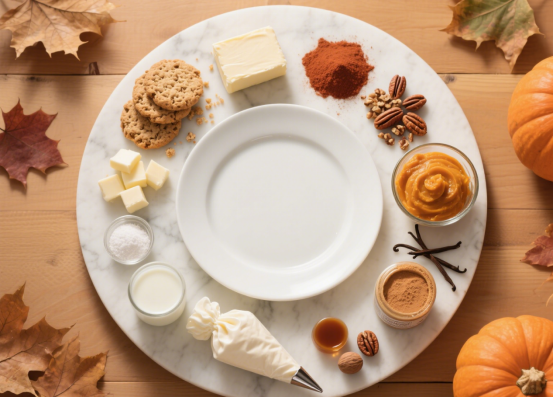
A perfect fall dessert, the double no-bake pumpkin pie utilizes a combination of cream cheese and instant pudding or gelatin to achieve its set without ever seeing the inside of an oven. The key here is the strategic reduction of pumpkin puree moisture. Cooking the puree down slightly on the stovetop concentrates the flavor and prevents the final pie from weeping liquid into the crust.
Blackberry Pie with Vanilla Sauce
Evoking warm memories of summer, a classic blackberry pie demands a delicate balance of sweetness and acidity. Blackberries naturally contain high levels of pectin, but additional thickeners like tapioca starch or cornstarch are necessary to bind the juices released during baking. The accompanying vanilla sauce, a classic crème anglaise, introduces a rich, dairy-forward counterpoint to the tart berries. The sauce must be cooked slowly over a double boiler to exactly 160°F (71°C) to thicken the egg yolks without scrambling them.

Comforting Puddings: Sweet and Savory Traditions
Puddings blur the line between side dishes and desserts, relying on the coagulation of proteins (typically eggs) and the gelatinization of starches to create comforting, spoonable textures. The regional variations of puddings showcase incredible culinary ingenuity, transforming humble ingredients into luxurious centerpieces.
Vidalia Sweet Onion Pudding
A Southern classic, the Vidalia sweet onion pudding is a masterclass in savory-sweet balance. Vidalia onions, known for their low sulfur content and high sugar levels, caramelize beautifully without the sharp bite of standard yellow onions. When baked into a custard base of eggs, heavy cream, and butter, the onions melt into the matrix. The baking process requires a gentle heat, usually around 350°F (175°C), allowing the egg proteins to form a delicate, trembling network rather than a rubbery mass.
Cheese Pudding and Baked Milk
Cheese pudding acts as a rich, soufflé-like dish that leverages the melting properties of sharp cheeses folded into a béchamel base. Conversely, baked milk (often associated with Eastern European ryazhenka) is a slow-cooked dairy marvel. By simmering milk in a low oven for several hours, the natural milk sugars (lactose) and proteins undergo the Maillard reaction, resulting in a caramelized, nutty flavor and a beautiful golden-brown crust. This process fundamentally alters the molecular structure of the milk, yielding a naturally thick, slightly sweet profile without added sugars.

Layered Masterpieces: Napoleon, Black Forest, and Swiss Rolls
Constructing layered cakes and rolled pastries requires precision engineering in the kitchen. These desserts are judged not only by their flavor but by their visual geometry. Perfect horizontal lines, even distribution of fillings, and the structural integrity of the sponge or pastry are paramount.
The Majestic Napoleon Cake
The Napoleon cake (Mille-feuille) is the ultimate test of lamination. It consists of alternating layers of shatteringly crisp puff pastry and rich pastry cream (crème pâtissière). Achieving the perfect puff pastry requires creating hundreds of alternating layers of dough and butter (détrempe and beurrage). During baking, the water in the dough turns to steam, forcing the layers apart, while the butter melts, frying the dough from the inside out.
| Component | Core Technique | Critical Temperature |
|---|---|---|
| Puff Pastry | 6-fold lamination process | Keep dough below 60°F (15°C) |
| Pastry Cream | Tempering egg yolks | Boil for exactly 1 minute to neutralize starch |
| Assembly | Weighting pastry during baking | Bake at 400°F (200°C) for maximum lift |
Black Forest Cake & Cream Swiss Roll
The Black Forest cake relies on a robust chocolate genoise sponge, heavily imbued with Kirschwasser (cherry schnapps), layered with whipped cream and sour cherries. The sponge must be baked until just springy to absorb the syrup without disintegrating. In contrast, the Cream Swiss Roll demands a highly flexible sponge. To prevent cracking during the rolling process, the sponge is rolled while still warm in a dusting of powdered sugar, training the gluten and egg structure to hold a cylindrical shape before it cools and sets.

Global Pastry Heritage: Churros, Baklava, and Dutch Waffles
Exploring global pastries reveals a shared human love for dough transformed by heat, fat, and sugar. Whether deep-fried, drenched in syrup, or pressed on an iron, these regional specialties carry centuries of culinary tradition.
Authentic Spanish Churros
True Spanish churros begin with a simple choux-like dough (flour, water, and salt) piped directly into hot oil. Unlike French choux pastry, traditional churro dough often omits eggs, resulting in a denser, crunchier exterior. The frying temperature is non-negotiable: the oil must be maintained between 360°F and 375°F (182°C – 190°C). If the oil is too cool, the dough absorbs excess fat and becomes greasy; if too hot, the exterior burns before the starches inside can fully cook and expand.
Middle Eastern Baklava
Baklava is an exercise in patience and precision. Layers of paper-thin phyllo dough are brushed with clarified butter (ghee), which is crucial because the water content in standard butter would cause the delicate pastry to steam and turn soggy. Nestled between the layers are finely chopped nuts—typically pistachios or walnuts—spiced with cardamom or cinnamon. Upon exiting the oven, the hot pastry is immediately drenched in a cooled, fragrant sugar or honey syrup. This hot-cold contrast ensures the syrup is rapidly absorbed into the pastry without compromising its flaky texture.
- Syrup Infusion: Always pour cold syrup over hot baklava, or hot syrup over cold baklava. Never hot on hot, which yields mush.
- Nut Processing: Nuts should be pulsed to a uniform, coarse crumb. Too fine, and they turn into a paste; too large, and they tear the phyllo layers during slicing.
Classic Dutch Waffles (Stroopwafels)
The Dutch waffle is an ingenious feat of baking. A stiff yeast dough is cooked on a specialized waffle iron, then immediately sliced horizontally while still steaming hot. A rich, dark caramel syrup (stroop) is spread on one half before the two halves are pressed back together. The residual heat melds the syrup into the waffle, creating a chewy, sweet disk designed to be rested over a hot cup of coffee or tea to soften before eating.

The Magic of Cheesecakes and Delicate Breads
Moving from the crisp and crunchy to the soft and ethereal, cheesecakes and enriched breads showcase how dairy fats can manipulate protein networks to create incredibly tender crumb structures.
Basque Cheesecake
Originating from San Sebastian, Spain, the Basque cheesecake breaks all conventional cheesecake rules. Instead of a low, slow bake in a water bath to prevent cracking, this dessert is blasted at a high temperature—often 400°F (200°C) or higher. The goal is to intentionally burn the exterior, triggering aggressive Maillard browning and caramelization that provides a slightly bitter, complex crust. Meanwhile, the interior remains dangerously soft, almost custardy, relying on residual heat to gently set the center after it is removed from the oven.
Light Cream Bread
Baking light cream bread introduces heavy cream directly into the dough hydration process, replacing water or milk. The high butterfat content coats the gluten strands formed by the bread flour, inhibiting them from creating a tough network. This technique, closely related to the Tangzhong or Yudane method, yields a loaf with an incredibly soft, shreddable crumb that stays fresh and moist for days longer than lean breads. Kneading must be extensive to develop the gluten sufficiently to trap the gases produced by the yeast, despite the heavy presence of fat.

Festive Candies and Holiday Treats
No dessert collection is complete without the concentrated joy of homemade candies. Candymaking is fundamentally applied chemistry, relying on precise temperature control to manipulate sugar crystallization.
Grinch Almond Butter Candy
A festive favorite, Grinch almond butter candy relies on the careful melting of white chocolate or candy melts blended with high-quality almond butter. The fat content of the almond butter lowers the setting point of the chocolate, creating a fudge-like consistency. Adding green, oil-based food coloring (water-based coloring will cause the chocolate to seize) gives it the signature holiday look. The mixture is then poured into molds or a lined pan, chilled until firm, and cut into squares. The resulting candy melts instantly on the tongue, delivering a rich, nutty profile.
Frequently Asked Questions (FAQ)
- Why does my no-bake pie filling sometimes refuse to set?
- No-bake pies fail to set primarily due to insufficient fat content or improper temperature control. If using cream cheese, it must be full-fat; low-fat versions contain excess water and stabilizers that prevent a firm set. Additionally, whipping cream must reach stiff peaks before folding to provide the necessary aerated structure.
- How do I prevent my Basque cheesecake from tasting burnt?
- The dark exterior of a Basque cheesecake is a result of caramelization, not carbonization. To prevent an acrid, burnt flavor, ensure your oven is preheated accurately and position the cake in the middle rack. The top should be dark mahogany, not jet black. The bitterness of the dark crust is meant to balance the extreme sweetness and richness of the creamy interior.
- What is the secret to a perfectly rolled Swiss roll without cracking?
- The sponge must be a fatless or low-fat genoise, which relies on whipped eggs for leavening. You must turn the cake out onto a powdered sugar-dusted towel immediately after baking and roll it up while it is still hot and steaming. This trains the crumb structure. If you wait until it cools, the starches will have set, and attempting to roll it will cause severe cracking.
- Why must I use clarified butter for Baklava?
- Standard butter contains about 15-18% water. If you brush phyllo dough with standard butter, the water content will steam the delicate pastry leaves during baking, resulting in a chewy, tough texture rather than a crisp, flaky one. Clarified butter (ghee) is pure butterfat, ensuring maximum crispness.
- Can I substitute milk for heavy cream in Light Cream Bread?
- While you can substitute milk, doing so fundamentally changes the texture of the bread. Heavy cream contains roughly 36% milk fat, which acts as a tenderizer by coating the gluten strands. If you use milk, you will need to supplement the fat content by adding softened butter to the dough to achieve a similar soft, shreddable crumb.