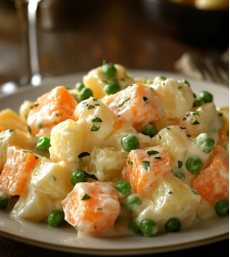
The classic mayonnaise vegetable salad is a timeless side dish, celebrated for its creamy texture, vibrant colors, and refreshing taste. It’s a staple at picnics, barbecues, and family gatherings for a reason: it’s simple, versatile, and universally loved. However, transforming this simple dish from good to truly exceptional requires an understanding of the fundamentals—balancing textures, enhancing flavors, and mastering the preparation. This ultimate guide will walk you through every step, providing not just a recipe, but the strategic insights needed to create a flawless vegetable salad every single time.
The Essential Ingredients for a Perfect Vegetable Salad
The quality of your final dish is a direct reflection of your ingredients. While the core components are simple, choosing the right ones and understanding their role is key to building a foundation of flavor and texture.
The Vegetable Medley: A Symphony of Crunch and Color
A great salad offers a variety of textures. The goal is to combine hearty, crunchy vegetables with softer, sweeter elements.
- Cabbage & Carrots: These form the crunchy base. Finely shred the cabbage and julienne or grate the carrots for a consistent texture that holds up well against the creamy dressing.
- Green Beans & Peas: These add a pop of color and a tender bite. Using fresh, blanched beans and sweet peas provides a superior flavor compared to canned alternatives.
- Sweet Corn: Kernels of sweet corn introduce a burst of sweetness that beautifully contrasts the savory and tangy notes of the mayonnaise and seasoning.
The Creamy Binder: Choosing the Right Mayonnaise
The mayonnaise is the heart of the dressing. Not all mayos are created equal. For a rich, classic flavor, a full-fat, high-quality mayonnaise is recommended. It provides the best consistency and mouthfeel. If you prefer a lighter version, be aware that low-fat options can sometimes have a higher water content, which may thin out the dressing over time.
Seasoning: The Secret to Elevating Flavor
Simple seasoning is all that’s needed to let the vegetables shine.
- Salt: Essential for bringing out the natural flavors of the vegetables. Season gradually and taste as you go.
- Black Pepper: Freshly ground black pepper adds a subtle, aromatic heat that complements the creaminess of the mayonnaise.
Step-by-Step Guide to Crafting Your Salad
Precision in preparation is what separates a mediocre salad from a memorable one. Follow these detailed steps to ensure perfect results.
Step 1: Preparing and Blanching the Vegetables
Blanching is a crucial step that many recipes overlook. It involves briefly cooking the vegetables in boiling water and then plunging them into an ice bath. This process tenderizes tougher vegetables like carrots and green beans, brightens their color, and removes any raw, bitter taste.
- Bring a pot of salted water to a rolling boil.
- Prepare a large bowl of ice water.
- Boil the carrots and green beans for 2-3 minutes, until crisp-tender.
- Using a slotted spoon, immediately transfer them to the ice bath to stop the cooking process.
- Drain thoroughly once completely cooled. This is critical to prevent a watery salad.
Step 2: The Art of Mixing
In a large mixing bowl, combine the blanched and drained carrots and green beans with the shredded cabbage, sweet corn, and peas. Gently toss to distribute the vegetables evenly. Add the mayonnaise, salt, and black pepper. Using a rubber spatula, fold the ingredients together until every piece is lightly coated in the dressing. Avoid over-mixing, which can break down the vegetables and make the salad mushy.
Step 3: Chilling for Maximum Flavor
This is the final, non-negotiable step. Cover the salad and refrigerate for at least one hour before serving. This chilling period allows the flavors to meld together, creating a more cohesive and delicious final product. The vegetables will absorb some of the seasoning from the dressing, and the overall texture will improve.
Pro Tips for the Ultimate Mayonnaise Salad
Take your salad to the next level with these expert tips and tricks.
- Ensure Dryness: After blanching and cooling, pat your vegetables completely dry with a paper towel or use a salad spinner. Excess water is the number one enemy of a creamy salad and will result in a thin, watery dressing.
- Add a Touch of Acidity: A teaspoon of lemon juice or white vinegar mixed into the mayonnaise can brighten the entire dish, cutting through the richness and adding a layer of complexity.
- Sweetness Balance: If your vegetables aren’t naturally very sweet, a pinch of sugar or a teaspoon of honey in the dressing can balance the flavors, especially if you added acidity.
- Dice for Consistency: For a more uniform eating experience, try to chop all your vegetables to a similar size. This ensures you get a little bit of everything in each bite.
Customizing Your Salad: Variations and Add-ins
The classic recipe is a fantastic starting point, but its true beauty lies in its versatility. Use the following table as inspiration for creating your own signature version.
| Salad Variation | Key Add-ins | Flavor Profile |
|---|---|---|
| Protein-Packed Power Salad | Diced cooked chicken, hard-boiled eggs, or chickpeas. | Makes the salad a complete meal. Savory, rich, and more substantial. |
| Sweet & Tangy Crunch | Diced apples, pineapple chunks, and a handful of walnuts or pecans. | Adds a delightful sweetness, a tangy counterpoint, and a nutty crunch. |
| Herbaceous Garden Salad | Freshly chopped dill, parsley, or chives. | Introduces a fresh, aromatic, and bright flavor that lightens the creamy base. |
| Spicy Kick Salad | Finely diced jalapeño, a dash of hot sauce, or a sprinkle of cayenne pepper. | Adds a pleasant heat that contrasts with the cool, creamy texture. |
Frequently Asked Questions (FAQ)
- How do I prevent my vegetable salad from becoming watery?
- The key is to minimize excess moisture. First, ensure all blanched vegetables are shocked in ice water and then drained and patted completely dry before mixing. Second, some vegetables like cucumber or tomato release water over time; if you add them, do so just before serving. Finally, salting vegetables and letting them sit can draw out water, so only salt the final mixture.
- Can I make this salad ahead of time?
- Yes, this salad is perfect for making ahead. In fact, it tastes even better after chilling for a few hours, as this allows the flavors to meld. You can prepare it up to 24 hours in advance. Just be sure to store it in an airtight container in the refrigerator. Give it a gentle stir before serving.
- Can I use frozen vegetables for this recipe?
- Absolutely. Frozen peas, corn, and green beans are excellent, convenient options. There is no need to blanch them; simply thaw them according to the package directions, drain any excess water, and ensure they are dry before adding them to the salad.
- What are some healthy alternatives to traditional mayonnaise?
- For a healthier twist, you can substitute part or all of the mayonnaise. Greek yogurt is a fantastic option, offering a similar tang and creaminess with more protein and less fat. You could also use mashed avocado for a creamy base, or look for mayonnaise made with avocado oil or olive oil.