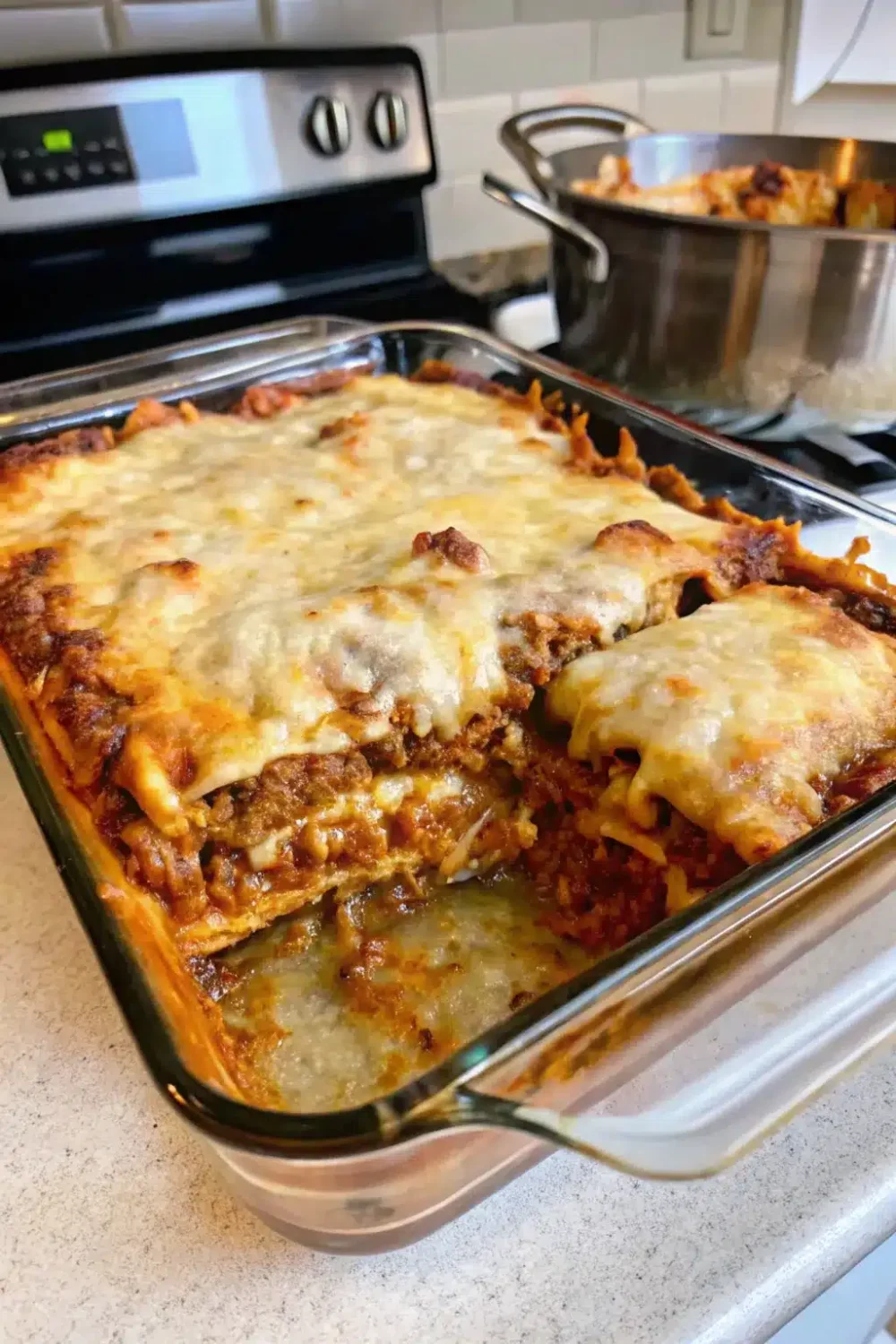
The Foundation of Flavor: Mastering Golden Hash Browns
Before one can construct a truly magnificent breakfast casserole, it is imperative to understand the foundational element that gives the dish its structural integrity and textural contrast: the hash brown. Often hailed as the undisputed king of the breakfast table, golden hash browns provide a crispy, savory exterior that yields to a tender, fluffy interior. Achieving this dual texture is not merely a matter of throwing shredded potatoes into a pan; it requires a precise understanding of potato chemistry, moisture control, and thermal dynamics.
The Science of the Perfect Crunch
The secret to achieving the quintessential golden crust lies in the management of starch and moisture. Potatoes are naturally rich in amylose and amylopectin. When exposed to heat, these starches gelatinize. However, if excess surface starch is not removed, the shredded potatoes will glue together into a gummy mass rather than crisping into individual, golden strands. Furthermore, water is the enemy of the Maillard reaction—the chemical process between amino acids and reducing sugars that gives browned food its distinctive flavor. Therefore, rigorous rinsing and exhaustive drying are non-negotiable steps.
To master the preparation of raw potatoes for any breakfast application, consider these vital operational steps:
- Starch Elimination: Submerge freshly shredded potatoes in a bowl of ice-cold water. Agitate them vigorously until the water turns cloudy, drain, and repeat until the water remains crystal clear.
- Moisture Extraction: Utilize a heavy-duty cheesecloth or a clean kitchen towel to wring out the shredded potatoes. Apply significant physical force to extract every possible drop of water.
- Optimal Fat Utilization: Use a combination of butter for flavor and a high-smoke-point oil (like canola or avocado oil) to prevent burning while achieving maximum crispness.
By executing these steps with precision, you create a hash brown base that not only stands beautifully on its own alongside eggs and bacon but also serves as the perfect, non-soggy foundation for a layered breakfast casserole.

Transitioning from Side Dish to Centerpiece: The Casserole Evolution
While a standalone plate of crispy hash browns is a culinary delight, integrating them into a comprehensive breakfast casserole elevates the morning dining experience to unprecedented heights. The breakfast sausage and hash brown casserole represents the pinnacle of culinary efficiency and flavor fusion. It transforms individual breakfast components into a unified, cohesive masterpiece where the sum is exponentially greater than its parts.
Why This Casserole Dominates Breakfast Spreads
The architectural brilliance of a hash brown casserole lies in its stratification. The bottom layer of potatoes acts as a sponge, absorbing the rich, savory drippings from the breakfast sausage and the luxurious, creamy custard of the egg mixture. As the casserole bakes, the top layer of potatoes and cheese undergoes intense caramelization, providing a textural counterpoint to the soft, savory interior.
This dish is particularly revered for its unparalleled versatility and crowd-pleasing nature. Whether you are hosting a festive holiday brunch, feeding a large family on a Sunday morning, or engaging in strategic meal prep for the busy week ahead, the casserole format allows for massive scalability without a corresponding increase in active cooking time.

Core Ingredients for the Perfect Sausage and Hash Brown Casserole
The success of a breakfast casserole is intrinsically linked to the quality and specific ratios of its ingredients. A poorly balanced custard will result in a rubbery texture, while an inadequate cheese blend will leave the dish lacking in depth and umami. Selecting the right components is a critical phase in the casserole production pipeline.
Balancing the Flavor Profiles
The primary protein, breakfast sausage, dictates the overarching flavor profile of the dish. Opting for a high-quality pork sausage infused with sage and black pepper provides a classic, robust foundation. For those seeking a more dynamic palate experience, blending mild sausage with a spicy variant introduces a welcome, underlying heat that cuts through the richness of the eggs and cheese.
To ensure structural perfection and flavor harmony, adhere to the following ingredient matrix:
| Ingredient Category | Recommended Selection | Function in Casserole |
|---|---|---|
| The Base | Frozen shredded hash browns (thawed) or freshly prepped Russets | Provides structural integrity and absorbs the liquid custard. |
| The Protein | 1 lb Ground pork breakfast sausage (Sage or Spicy) | Delivers savory depth, essential fats, and primary seasoning. |
| The Binder | 8-10 Large eggs mixed with 1 cup whole milk or heavy cream | Coagulates during baking to suspend all ingredients in a tender matrix. |
| The Umami | 2 cups Sharp Cheddar and 1 cup Gruyère (freshly grated) | Creates a gooey interior and a beautifully browned, crispy top crust. |
It is highly recommended to grate your cheese from a block rather than purchasing pre-shredded varieties. Pre-shredded cheeses are coated with anti-caking agents like cellulose, which inhibit smooth melting and can impart a grainy texture to your delicate egg custard.

Step-by-Step Assembly: Crafting the Ultimate Breakfast Bake
With your premium ingredients prepped and ready, the assembly phase begins. This is where meticulous attention to detail ensures that every slice of the finished casserole delivers a perfect cross-section of sausage, potato, egg, and cheese. Rushing the assembly process can lead to uneven cooking, dry pockets, or a soggy potato base.
Preparation and Layering Techniques
Begin by thoroughly browning the breakfast sausage in a heavy-bottomed skillet over medium-high heat. As the meat cooks, use a wooden spoon to break it down into uniform, bite-sized crumbles. This ensures an even distribution of protein throughout the casserole. Do not drain all the rendered fat; leaving a small amount will coat the hash browns and amplify the overall flavor profile. Next, prepare a 9×13 inch ceramic or glass baking dish by greasing it generously with butter to prevent sticking and aid in edge crisping.
The layering process must follow a specific sequence to optimize texture:
- Layer 1 (The Foundation): Spread the thawed and dried hash browns evenly across the bottom of the greased dish. Press them down slightly to create a compact base.
- Layer 2 (The Protein): Distribute the browned, crumbled sausage uniformly over the potato layer. Ensure the corners receive adequate coverage.
- Layer 3 (The Cheese): Sprinkle 75% of your freshly grated cheese blend over the sausage, reserving the remaining 25% for the final topping.
- Layer 4 (The Custard): In a separate bowl, aggressively whisk the eggs, milk, salt, black pepper, and a pinch of dry mustard powder until completely homogeneous. Slowly pour this mixture over the dry layers, allowing it time to seep into the crevices.
Once assembled, top the casserole with the reserved cheese. Bake uncovered in a preheated oven at 375°F (190°C) for 45 to 55 minutes. The casserole is done when the edges are bubbling and deeply browned, and the center is set and no longer jiggles when the dish is gently shaken.

Advanced Culinary Techniques: Elevating Your Casserole Profile
Once you have mastered the standard breakfast sausage and hash brown casserole, the opportunity for culinary innovation is boundless. Advanced cooks understand that a casserole is essentially a blank canvas, capable of accommodating a wide array of flavor profiles, textural enhancements, and dietary modifications without compromising its core identity.
Aromatic Enhancements and Vegetable Integration
To elevate the depth of flavor, consider introducing an aromatic base. Sautéing finely diced yellow onions, red bell peppers, and minced garlic in the sausage drippings before layering introduces a sweetness and complexity that cuts through the heavy fats. For a southwestern variation, the integration of roasted green chiles, a dash of smoked paprika, and replacing the cheddar with a robust Pepper Jack cheese completely transforms the dish.
Furthermore, textural contrast can be maximized by par-baking the hash brown base. By placing the initial layer of potatoes into the oven for 15 minutes before adding the sausage and liquid custard, you create an impermeable, crispy barrier that prevents the eggs from fully saturating the bottom, resulting in a distinct, crunchy crust that mimics a traditional diner-style hash brown.

Meal Prep Mastery: Storage, Freezing, and Reheating Strategies
One of the most significant advantages of the sausage and hash brown casserole is its remarkable resilience. It is an ideal candidate for make-ahead meal planning, allowing you to execute the labor-intensive steps in advance and reap the benefits on busy mornings. Understanding the optimal protocols for storage and thermal regeneration is essential to maintaining the dish’s integrity.
Overnight Preparation and Long-Term Freezing
For immediate future use, the “overnight method” is highly recommended. You can fully assemble the casserole, cover it tightly with aluminum foil, and store it in the refrigerator for up to 24 hours before baking. This resting period actually benefits the dish, as it allows the hash browns to fully hydrate with the egg custard, resulting in a more cohesive and deeply flavored final product. When baking a chilled casserole, simply add 10 to 15 minutes to the total baking time.
If you are preparing the casserole for long-term storage, follow these strict freezing and reheating guidelines:
- Freezing Protocol: Bake the casserole completely and allow it to cool to room temperature. Slice it into individual portions, wrap each piece tightly in plastic wrap, and then enclose them in heavy-duty aluminum foil to prevent freezer burn. Store for up to 3 months.
- Reheating Protocol: To preserve the texture of the hash browns, avoid the microwave if possible. Thaw the portions overnight in the refrigerator. Reheat in a toaster oven or standard oven at 350°F (175°C) until the internal temperature reaches 165°F (74°C). If the top begins to brown too quickly, tent it loosely with foil.
By strictly adhering to these thermal management strategies, you guarantee that your carefully crafted breakfast casserole retains its fresh-out-of-the-oven brilliance, whether consumed the next day or months down the line.
Frequently Asked Questions (FAQ)
- Can I use freshly grated potatoes instead of frozen hash browns?
- Absolutely. However, fresh potatoes contain significantly more moisture and starch. You must rigorously rinse the shredded fresh potatoes in cold water until the water runs clear, then squeeze them completely dry using a clean kitchen towel. Failure to remove this moisture will result in a dense, soggy casserole base rather than a fluffy, cohesive layer.
- Why did my egg casserole turn out watery?
- A watery casserole is typically the result of excess moisture from the ingredients. This can happen if frozen hash browns are not properly thawed and drained, if water-heavy vegetables (like mushrooms or spinach) are added without being sautéed first, or if the ratio of milk to eggs is too high. Always cook down your vegetables and strictly measure your dairy.
- Can I substitute the pork sausage with a healthier alternative?
- Yes, ground turkey sausage or chicken sausage are excellent lean substitutions. Because poultry sausages have a lower fat content, you may need to lightly coat your hash browns with a tablespoon of olive oil or melted butter to compensate for the lack of rendered fat, ensuring the potatoes still cook properly and do not dry out.
- How do I know when the casserole is fully baked?
- The most reliable method is to use a digital meat thermometer; the center of the casserole should reach an internal temperature of 160°F (71°C). Visually, the edges should be golden brown and pulling slightly away from the sides of the dish, and the center should be puffed and firm, exhibiting no liquid jiggle when the pan is gently shaken.
- Is it necessary to let the casserole rest before slicing?
- Yes, resting is a critical, often overlooked step. Allowing the baked casserole to rest at room temperature for 10 to 15 minutes enables the egg custard to fully set and the residual heat to finish the cooking process. This ensures that the casserole slices cleanly into structurally sound squares rather than falling apart on the serving spatula.