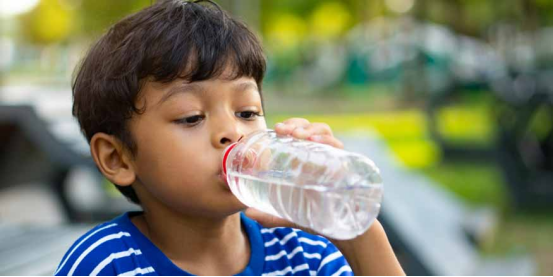
The Importance of Early Hydration Habits
Hydration is not merely about thirst quenching; it is a critical component of a child’s physiological development. Proper water intake supports cognitive function, temperature regulation, and metabolic efficiency. Establishing these habits early prevents the common transition toward sugary beverages, which are linked to childhood obesity and dental issues.
The Biological Necessity of Water
Water serves as the primary medium for nutrient transport and waste elimination. For developing children, even mild dehydration can manifest as irritability, fatigue, or difficulty concentrating in school. By normalizing water consumption as the default beverage, parents set the stage for lifelong metabolic health.

Selecting Safe and Healthy Drinking Utensils
The container from which a child drinks is just as important as the liquid itself. Many mass-market plastic cups contain leaching chemicals like BPA (Bisphenol A) or phthalates, which can disrupt endocrine function. Choosing the right material is a proactive step in ensuring chemical-free hydration.
Material Comparison for Drinking Vessels
| Material | Pros | Cons |
|---|---|---|
| Glass | Non-toxic, easy to clean | Fragile, heavy |
| Stainless Steel | Durable, temperature-controlled | Can have metallic taste if low quality |
| Food-Grade Silicone | Flexible, shatterproof | Can attract dust/lint |
Key Features to Look For
- BPA-Free Certification: Always verify that the plastic components are labeled BPA-free and phthalate-free.
- Ergonomics: Cups should be designed for small hands to encourage autonomy and motor skill development.
- Leak-Proof Mechanics: A secure lid reduces frustration and encourages the child to carry their cup throughout the day.

Strategies to Encourage Consistent Hydration
Even with the best tools, children may be resistant to drinking plain water. Gamification and environmental changes are essential to transforming water consumption from a chore into a routine behavior.
Practical Behavioral Techniques
Consistency is built through repetition and positive reinforcement. Parents should model the behavior by carrying water bottles themselves, as children are highly observant of parental habits.
- The “Cool” Factor: Allow children to choose their own water bottle or add fun, reusable stickers to make it a personal accessory.
- Infusion Methods: Add natural flavor enhancers like slices of cucumber, strawberries, or lemon to make the water more visually appealing and tasty without added sugar.
- Routine Anchoring: Link drinking water to specific daily activities, such as immediately after waking up or following physical activity.

Advanced Hydration Monitoring
Monitoring intake does not need to be clinical. Observing physical cues and maintaining a loose tracking schedule can help parents ensure their child is meeting daily hydration goals without creating pressure or anxiety around the act of drinking.
Identifying Signs of Dehydration
Early detection is vital. Parents should monitor the following indicators:
- Urine Color: Pale yellow indicates good hydration; dark amber suggests the need for more fluids.
- Physical Symptoms: Dry lips, decreased energy, or infrequent bathroom visits are clear red flags.
Frequently Asked Questions (FAQ)
- Q1: At what age should I start transitioning my child to a regular cup?
- Most experts suggest introducing a straw cup or open cup around 6 to 9 months of age to support oral motor development and reduce reliance on bottles.
- Q2: Is it safe to let my child drink iced water?
- Yes, it is perfectly safe. In fact, many children prefer the temperature of iced water, which can make them more likely to drink it consistently.
- Q3: How much water should a child drink daily?
- Needs vary by age, activity level, and climate. Generally, toddlers need about 4 cups a day, while older children may require 6 to 8 cups. Always prioritize thirst as the primary guide.
- Q4: Can flavored water be a substitute for plain water?
- Natural infusions are fine, but avoid commercial flavored waters that contain artificial sweeteners, dyes, or excessive sugars, as these can negate the health benefits of hydration.