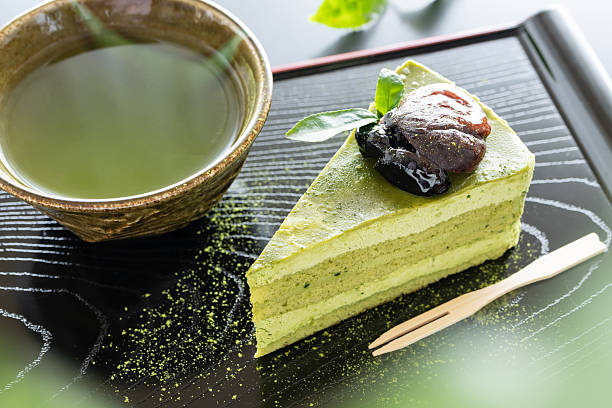
The Evolution of Modern Baking: Lightweight vs. Traditional
The contemporary baking landscape is witnessing a significant shift away from heavy, butter-laden traditional recipes toward more refined, aerated, and aesthetically focused desserts. This movement, spearheaded by the rise of Japanese-style lightweight cakes, prioritizes mouthfeel and structural integrity over excessive fat content. By manipulating protein structures and aeration techniques, bakers can achieve a “cloud-like” texture that remains satisfying without the heaviness of standard sponge cakes.
The Science of Aeration
Achieving the perfect lightweight cake relies on the precise stabilization of egg whites. Unlike traditional creaming methods that rely on butter for structure, lightweight cakes utilize the mechanical trapping of air bubbles during the whipping process.
- Protein Denaturation: The process of whipping egg whites unravels proteins, which then reform around air bubbles to create a stable foam.
- Sugar Incorporation: Adding sugar in stages is critical to preventing the collapse of the meringue, ensuring a fine-grained crumb.

Decadent Classics: Mastering Rich Chocolate and Nut Pies
While lightweight desserts are trending, the demand for high-impact, indulgent classics like the Mississippi Mud Pie and Pecan Cream Pie remains undisputed. These desserts are defined by their contrast in textures—the snap of a crust against a dense, velvety filling. Success in these recipes requires a deep understanding of temperature control and ingredient quality.
Anatomy of the Perfect Pie
To construct a pie that balances richness with structural harmony, one must master the interplay between the base and the filling.
| Element | Function | Technical Requirement |
|---|---|---|
| Crust | Structural Integrity | Must be blind-baked to ensure crispness under moist fillings. |
| Filling | Flavor Density | Requires slow cooling to set fats without cracking. |
The Mississippi Mud Pie, for instance, relies on a layering of chocolate custard and whipped ganache. The “moment of impact” for the palate is achieved when the cold, dense chocolate meets the slightly tempered crust, creating a multi-sensory experience.

Aromatic Profiles: The Art of the Bundt and Spice Cakes
Cinnamon-spice Bundt cakes and hazelnut-infused midnight cakes serve as the bridge between comfort food and high-end pâtisserie. The complexity of these cakes is derived from the layering of aromatic spices and the depth of roasted nut profiles. The Bundt pan’s unique geometry ensures even heat distribution, which is vital for cakes with higher moisture content.
Maximizing Flavor Extraction
To ensure that spices like cinnamon or nutmeg resonate through the crumb, they should be bloomed in the fat phase (butter or oil) before being incorporated into the batter. This releases the essential oils, providing a more profound olfactory experience.
- Nut Roasting: Always toast hazelnuts or pecans before inclusion to deepen the savory notes that balance the sweetness.
- Glazing Techniques: Using a champagne or citrus-based glaze adds an acidic counterpoint to the deep warmth of the spices.
Frequently Asked Questions (FAQ)
- Q1: Why does my lightweight cake collapse after taking it out of the oven?
- The primary reason for collapse is under-baking or a failure to properly stabilize the meringue. Ensure that your egg whites reach “stiff peaks” and do not rush the cooling process; allowing the cake to cool gradually in the pan helps it retain its structure.
- Q2: How can I prevent my pie crust from becoming soggy?
- The best defense against a soggy crust is blind baking. Line the crust with parchment and pie weights, then bake until set before adding your filling. Additionally, brushing the crust with a thin layer of egg wash or melted chocolate can create a moisture barrier.
- Q3: What makes a “Midnight” cake different from a standard chocolate cake?
- A “Midnight” cake typically utilizes high-percentage dark cocoa powder and often incorporates additional fats like hazelnut paste or espresso to enhance the darkness of the flavor profile, creating a more sophisticated, less sugary finish.
- Q4: Is a Bundt pan necessary for spice cakes?
- While you can use other pans, the Bundt pan is specifically engineered for denser, richer batters. The center tube ensures that the middle of the cake bakes at the same rate as the edges, preventing a raw center or burnt exterior.