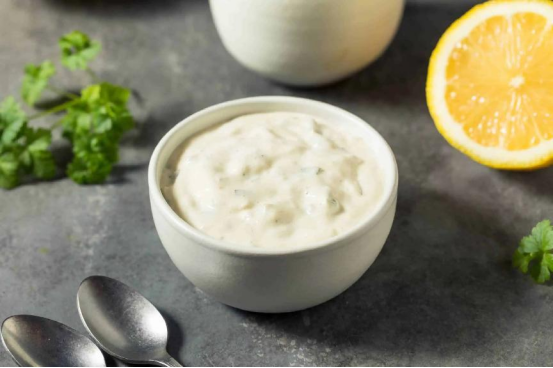
The Foundation of Flavor: Understanding Sauce Emulsions and Bases
The culinary world relies on the mastery of mother sauces and flavor profiles that define regional cuisines. Whether it is a delicate emulsion like Hollandaise or a robust Napolitana sauce, the secret lies in the balance of acidity, fat, and heat. Understanding the chemistry behind these sauces allows home cooks to recreate restaurant-quality flavors consistently.
The Science of Emulsification
Emulsions occur when two immiscible liquids, such as oil and water, are forced together. In sauces like Hollandaise, egg yolks act as the emulsifying agent, binding melted butter into a stable, creamy consistency. Key factors include:
- Temperature Control: Overheating will cause the eggs to scramble; under-heating prevents the butter from thickening correctly.
- Slow Integration: Adding fat in a slow, steady stream is critical to preventing the sauce from “breaking” or separating.
Recreating Iconic Restaurant Condiments at Home
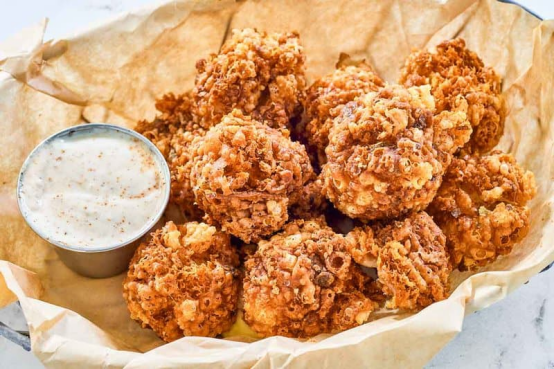
Many classic condiments, such as the famous Texas Roadhouse Tartar Sauce or the legendary Swiss Chalet BBQ Sauce, rely on specific spice blends and tanginess. Recreating these at home requires attention to the ratio of savory to sweet components.
Key Components of Savory Condiments
- Acidity: Vinegar, lemon juice, or capers provide the necessary brightness to cut through rich, fatty proteins.
- Aromatics: Fresh herbs, garlic, and onion powder form the flavor backbone of most BBQ and dipping sauces.
- Sweeteners: A hint of sugar or molasses is often the “secret” ingredient that balances the saltiness in commercial-style sauces.

Global Sauce Varieties: From Napolitana to Dijon
Different cultures have developed unique approaches to sauce-making based on local ingredients. Napolitana sauce focuses on the quality of tomatoes and long-simmering techniques, while French Dijon mustard utilizes the pungency of brown mustard seeds and white wine to create a sharp, sophisticated condiment.
| Sauce Type | Primary Base | Best Use Case |
|---|---|---|
| Napolitana | Tomatoes & Herbs | Pasta & Pizza |
| Dijon Mustard | Mustard Seeds & Wine | Vinaigrettes & Meats |
| Mexican Salsa | Fresh Vegetables | Tacos & Tortilla Chips |
Advanced Techniques for Sauce Stability and Storage
To ensure your homemade sauces stay fresh and maintain their texture, proper storage is paramount. Many sauces, especially dairy or egg-based ones like English Custard Sauce, require refrigeration and specific reheating methods to prevent curdling.
Tips for Sauce Longevity
- Airtight Containers: Glass jars are preferred to prevent plastic odors from leaching into the sauce.
- Controlled Cooling: Always cool sauces to room temperature before refrigerating to prevent bacterial growth.
- Reheating: Use a double boiler or very low heat for delicate sauces to avoid breaking the emulsion.
Frequently Asked Questions (FAQ)
- Q1: Why does my Hollandaise sauce keep breaking?
- Hollandaise typically breaks due to excessive heat or adding the butter too quickly. Ensure your heat source is low and whisk continuously until the sauce is thick and glossy.
- Q2: Can I substitute fresh tomatoes for canned in Napolitana sauce?
- Yes, but you must ensure the tomatoes are fully ripe. Canned San Marzano tomatoes are often preferred for their consistent sweetness and acidity levels, which are ideal for authentic Napolitana.
- Q3: How long can I store homemade BBQ sauce in the fridge?
- Most homemade BBQ sauces, if kept in an airtight container, will last for up to two weeks in the refrigerator due to the preservative properties of vinegar and sugar.
- Q4: What makes French Dijon mustard different from regular yellow mustard?
- Dijon mustard is made with brown or black mustard seeds and white wine or verjuice, giving it a much more complex, spicy, and sophisticated profile compared to the milder, vinegar-based yellow mustard.